Your complete guide to attending hotel party events and venue gatherings with confidence. From invitation to after-party, here’s everything you need to know before your first big social gathering.
Quick Takeaways:
- Hotel party events combine intimate gathering vibes with professional venue amenities
- Event types range from 20-person suite parties to 500+ guest ballroom events
- Dress codes typically require upscale attire—when in doubt, slightly overdress
- Arrive 30-90 minutes after start time for optimal social energy
- Most events run 9 PM – 2 AM with peak energy from 11 PM – 1 AM
Understanding Hotel Party Events
Hotel party events occupy a unique space in the social landscape—bigger than typical house parties but more intimate than massive club events. They’re organized social gatherings held in hotel venues, ranging from suite parties to ballroom events, and they’ve become increasingly popular for good reason.
Unlike house parties constrained by residential noise limits and neighbor concerns, hotel venues offer professional amenities, dedicated event spaces, and the freedom to celebrate without worrying about parking complaints or noise ordinances. Unlike impersonal nightclubs where you’re just another face in the crowd, hotel events create community through shared experience and purposeful gathering.
The appeal is simple: Hotel parties combine the intimacy and intention of private gatherings with the scale, amenities, and professionalism of commercial venues.
For first-timers, these events can seem intimidating. What should you wear? How do you get in? What actually happens? This guide demystifies the experience so you can attend with confidence.
Types of Hotel and Venue Party Events
Hotel Suite Parties
These intimate gatherings happen in hotel suites—often penthouses or luxury accommodations—typically hosting 20-50 guests. They feel more like upscale house parties with hotel conveniences.
What to expect: Smaller, more exclusive atmosphere; conversations easier to have; DJ or curated playlist; premium drinks and appetizers; access to suite amenities like balconies or hot tubs; dress code usually cocktail attire.
Best for: People who prefer smaller gatherings, those wanting easier conversation opportunities, anyone seeking a more intimate social experience.
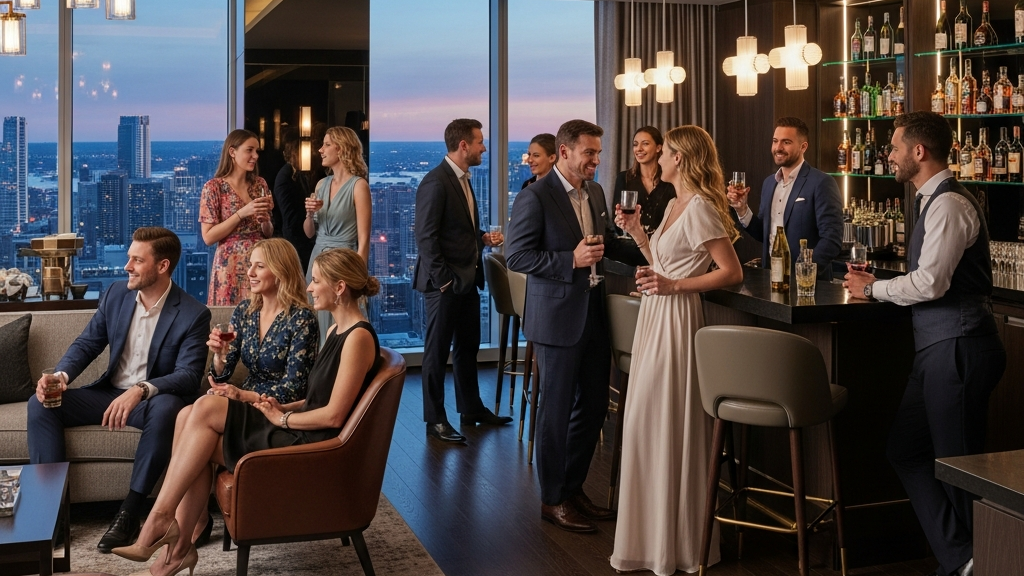
Hotel Ballroom and Event Space Parties
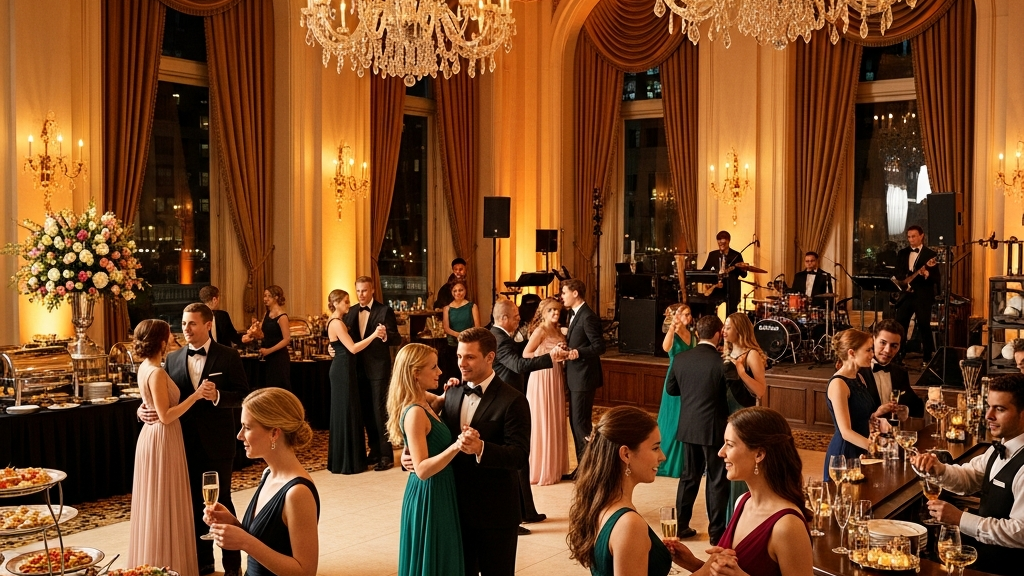
Larger-scale events utilizing hotel conference rooms, ballrooms, or dedicated party spaces. These can host 100-500+ guests with professional production values.
What to expect: Professional DJ or live entertainment, dance floor, full bar service, varied spaces (dance area, lounge sections, outdoor patios), higher production quality with lighting and sound systems, mix of seated and standing areas.
Best for: People who enjoy bigger events with more energy, those who like dancing and high-production entertainment, anyone wanting variety in their evening (can move between different areas and vibes).
Themed Hotel Events
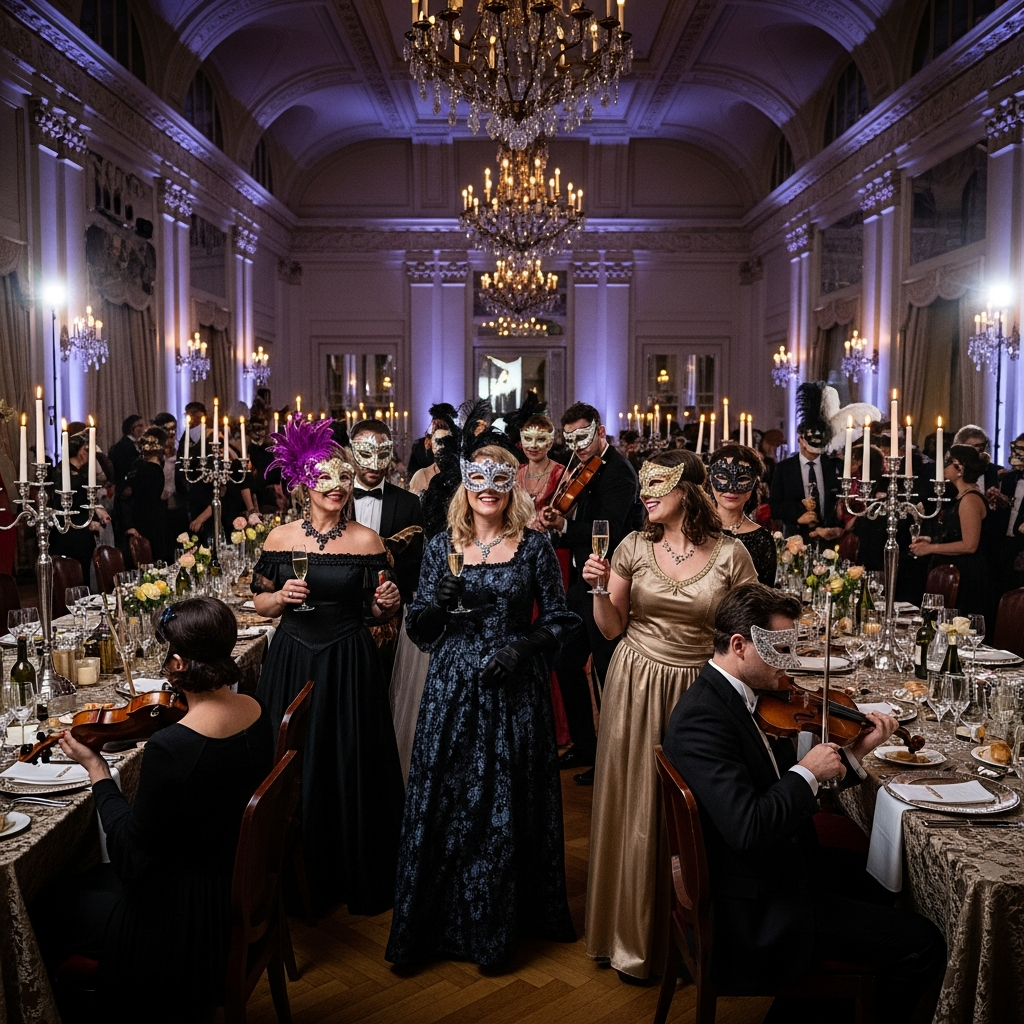
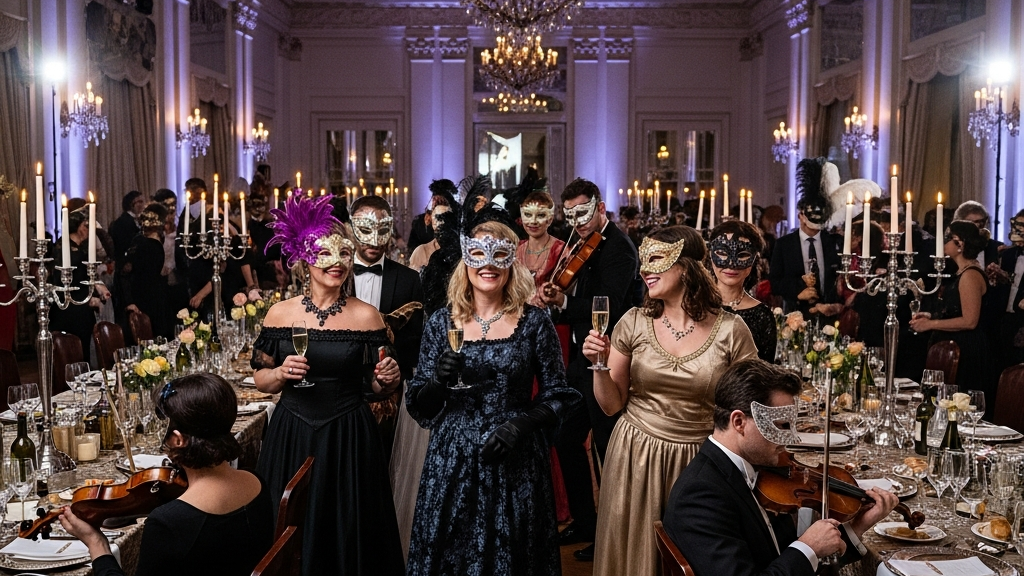
Events built around specific concepts—decades parties (80s, 90s), masquerade balls, tropical themes, holiday celebrations, cultural themes, costume parties.
What to expect: Most or all guests participating in the theme through attire or accessories, themed décor throughout the venue, entertainment matching the concept, ice-breaker ease since everyone has the theme as conversation starter.
Best for: People who enjoy creative expression through costume/theme participation, those who find themes make socializing easier, anyone looking for unique experiences beyond standard parties.
Rooftop and Pool Deck Events
Hotel parties utilizing outdoor spaces—rooftop bars, pool decks, patio areas—especially popular in warm weather or resort settings.
What to expect: Open-air atmosphere, scenic views, typically daytime or early evening events, more casual vibe, weather dependency, often smaller capacity than indoor ballrooms.
Best for: People who prefer outdoor settings, those who enjoy sunset/evening atmosphere, anyone seeking a more relaxed party vibe.
Private Venue Buyouts
Events where organizers rent entire hotel floors, sections, or multiple spaces, creating an event-within-the-hotel experience.
What to expect: Multiple rooms or areas to explore, variety of music/entertainment across different spaces, ability to transition between party vibes, premium exclusive feel, sometimes overnight accommodation packages.
Best for: People who like variety and choices in their evening, those who want multiple vibe options in one location, anyone attending with diverse groups of friends.
What Actually Happens: Timeline of a Typical Hotel Party Event
Before the Party: Invitations and Planning (1-4 Weeks Out)
Most hotel party events aren’t open to the public—you’ll typically need an invitation, ticket, or RSVP confirmation.
How invitations work:
- Public ticket sales: Event posted on platforms with ticket purchase required
- Guest list: Your name submitted by an inviter or you RSVP directly
- Invite codes: Promotional codes from event organizers or attendees
- Member events: Exclusive to specific groups or communities
What you’ll receive:
- Event date, time (typically 9 PM – 2 AM for evening events)
- Dress code specifics
- Hotel name and venue location within the hotel
- Whether ticket includes drinks, or if there’s a cash bar
- Parking or valet information
- Check-in instructions (ID requirements, will-call, etc.)
Pro tip: Confirm all details a few days before. Hotels sometimes have multiple events the same evening, and you want to ensure you’re going to the right location.
Arrival and Check-In (First 30 Minutes)
9:00-9:30 PM: Early arrivals begin checking in. This is typically the quietest time—perfect if you want to get acclimated before crowds arrive.
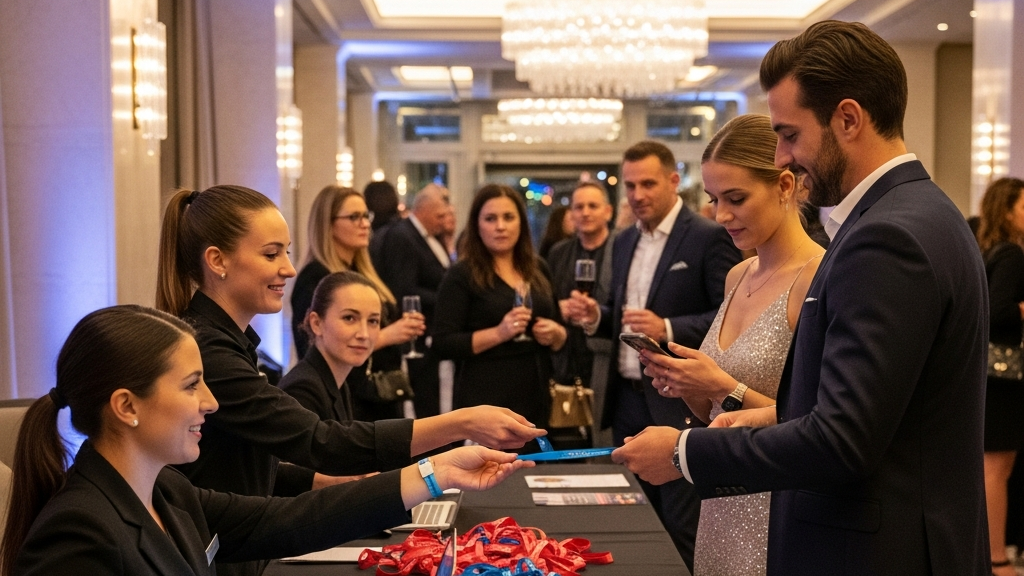
What happens at check-in:
- Present ID (most events are 21+ and strictly enforce this)
- Provide confirmation (ticket, name on guest list, or invite code)
- Receive wristband, stamp, or hand stamp indicating you’ve paid/checked in
- Sometimes receive drink tickets if included with entry
- Get directed to the party space
Navigation tips: Hotels can be confusing. Check-in might be in the lobby, at the event floor, or at the venue entrance. Don’t be shy about asking hotel staff—they’re used to directing party guests.
What to do immediately: Grab a drink if there’s a bar, scope out the layout (bathrooms, coat check, outdoor spaces), identify where different activities or areas are located, and observe the vibe before diving in.
The Build-Up Phase (9:30-11:00 PM)
This is when the party transitions from quiet to buzzing. Attendance builds gradually, energy increases, and the dance floor starts filling.
Early arrivals (9:30-10:00):
- Easier to get drinks (shorter bar lines)
- Can claim good spots or seating areas
- Better opportunity for conversation before music gets louder
- Meet other early birds (often the most social, prepared people)
Peak arrival (10:00-11:00):
- The bulk of attendees arrive
- Energy reaches optimal levels
- Dance floor becomes active
- Socializing hits maximum momentum
What you’ll be doing:
- Mingling and introducing yourself
- Dancing if that’s your thing
- Moving between different areas (bar, dance floor, lounge areas, outdoor spaces)
- Taking in the atmosphere and entertainment
- Making connections with other attendees
Prime Time (11:00 PM – 1:00 AM)
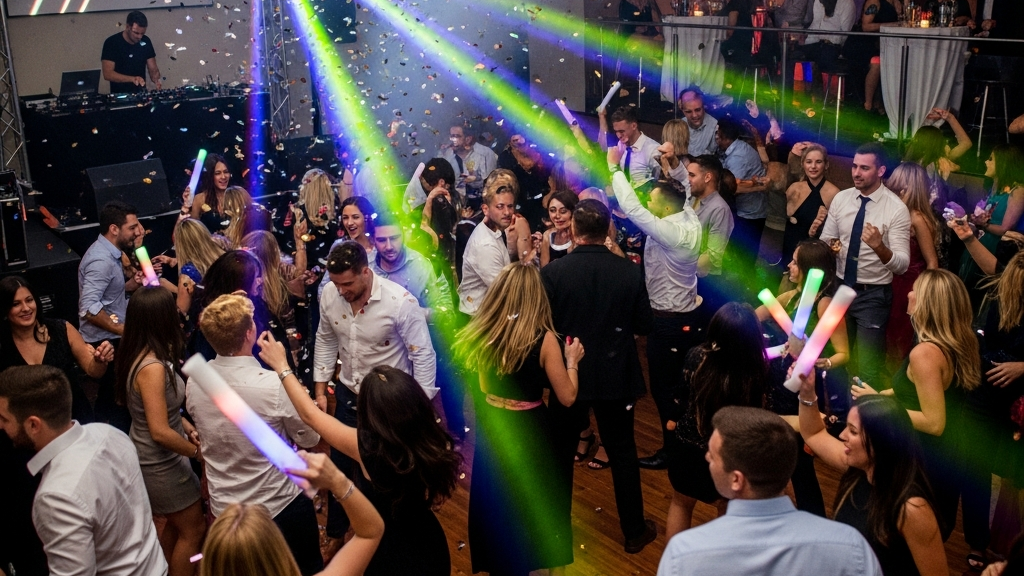
This is the heart of the party—maximum attendance, highest energy, fullest dance floor, most active socializing.
What’s happening:
- DJ or entertainment at peak performance
- Dance floor packed (if you want space to dance, position yourself strategically)
- Bar lines longest (order doubles or grab drinks during slower songs)
- Social interactions at maximum—everyone’s warmed up and engaged
- Groups forming and reforming as people circulate
- Photos being taken (the lighting is usually best during these hours)
Energy management: Even extroverts benefit from strategic breaks. Step outside for fresh air, take a bathroom break, grab water, sit in a lounge area for 10 minutes. You’ll return refreshed and enjoy the party more.
Wind Down (1:00-2:00 AM)
As the official end time approaches, the party begins transitioning.
What happens:
- Attendance thins as some people leave
- Music may get slightly quieter or shift in energy
- Remaining attendees often the most social (the “party people”)
- Last call at the bar
- Event staff beginning subtle cleanup
- Die-hard dancers still going strong
Strategic opportunity: This is often when the best conversations happen. The pressure’s off, people are relaxed, and those remaining are usually the most genuinely social attendees.
After-Party Culture (2:00 AM+)
Many hotel party events have unofficial after-parties—smaller groups continuing in hotel suites, at nearby late-night spots, or in hotel bars that stay open later.
How after-parties work:
- Invitations are informal (someone you’ve connected with asks if you want to continue hanging out)
- Usually much smaller (10-30 people)
- More intimate and conversational
- Sometimes in a hotel room, sometimes at a nearby venue
- Completely optional and not officially part of the main event
Only go if: You’ve genuinely connected with people inviting you, you have energy remaining, you feel safe with the group, and you actually want to—never feel obligated.
Dress Codes Decoded
“Upscale/Classy Attire”
This is the most common dress code for hotel party events. It means elevated from everyday wear but not formal.
For women:
- Cocktail dresses or elegant jumpsuits
- Dressy separates (nice top with dress pants or skirt)
- Heels or dressy flats (consider comfort for dancing/standing)
- Statement jewelry and accessories
- Avoid: casual jeans, sneakers, overly casual tops
For men:
- Dress pants or dark jeans (if jeans, must be dark and pristine)
- Button-down shirt or polo (collared preferred)
- Dress shoes or clean, upscale sneakers
- Optional blazer (always elevates the look)
- Avoid: athletic wear, graphic tees, shorts, flip-flops
When in doubt: Slightly overdressed beats underdressed at hotel events.
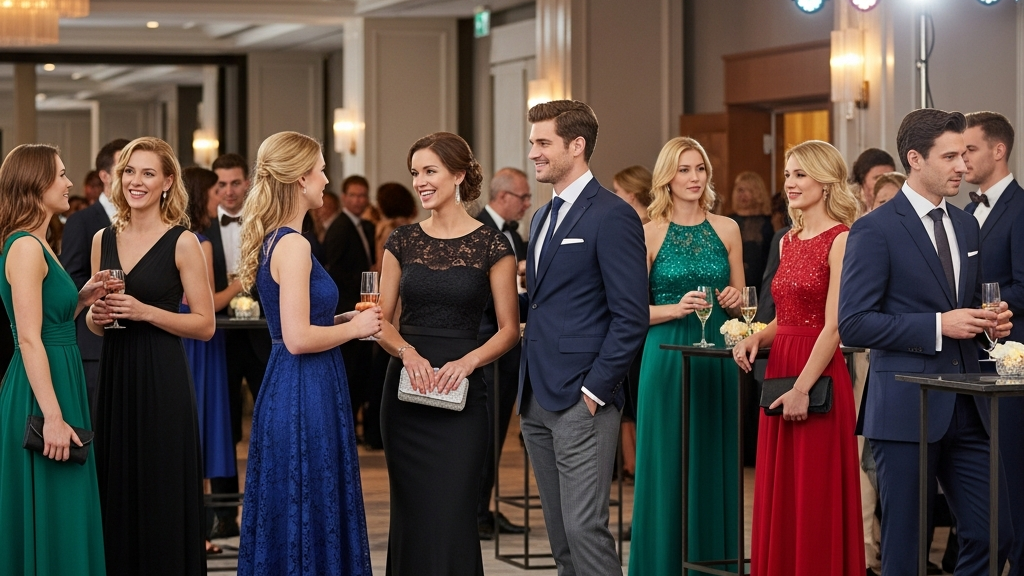
“Cocktail Attire”
A step up from upscale casual—this means dressing for a sophisticated evening out.
For women:
- Cocktail dresses (knee-length or slightly above/below)
- Dressy separates with elevated styling
- Heels (lower heels acceptable if styled well)
- More refined accessories and jewelry
- Professional styling (hair, makeup)
For men:
- Dress pants (no jeans, even dark ones)
- Button-down dress shirt
- Blazer or sport coat
- Leather dress shoes
- Optional tie (usually not required but acceptable)
“Theme” Dress Codes
When events have specific themes, participation is usually encouraged but not mandatory.
Full participation: Complete costume or outfit matching the theme
Partial participation: Incorporating theme colors or key accessories
Theme-adjacent: Wearing clothes that vibe with the theme without being costume-y
Pro tip: If you’re unsure about going full costume, bring theme accessories you can add or remove based on what others are wearing.
“All White” or Color Themes
Popular for upscale hotel events—everyone wears the specified color, creating visual cohesion and photo opportunities.
The rules:
- The specified color should be the dominant color in your outfit
- Accessories can be different colors
- All white means white (not cream, not ivory—actual white)
- When the dress code says “white,” you can’t go wrong with all-white everything
First-Timer Survival Guide
Getting Ready: Pre-Party Prep
Timing your arrival:
- Fashionably on-time: Arrive 30-45 minutes after official start time
- Ease in gradually: Arrive 60-90 minutes after start when the party’s established but not yet peaked
- Maximum energy arrival: Arrive 90 minutes after start when the party’s at full momentum
Physical preparation:
- Eat a proper meal 2-3 hours before (parties rarely have substantial food)
- Hydrate thoroughly throughout the day
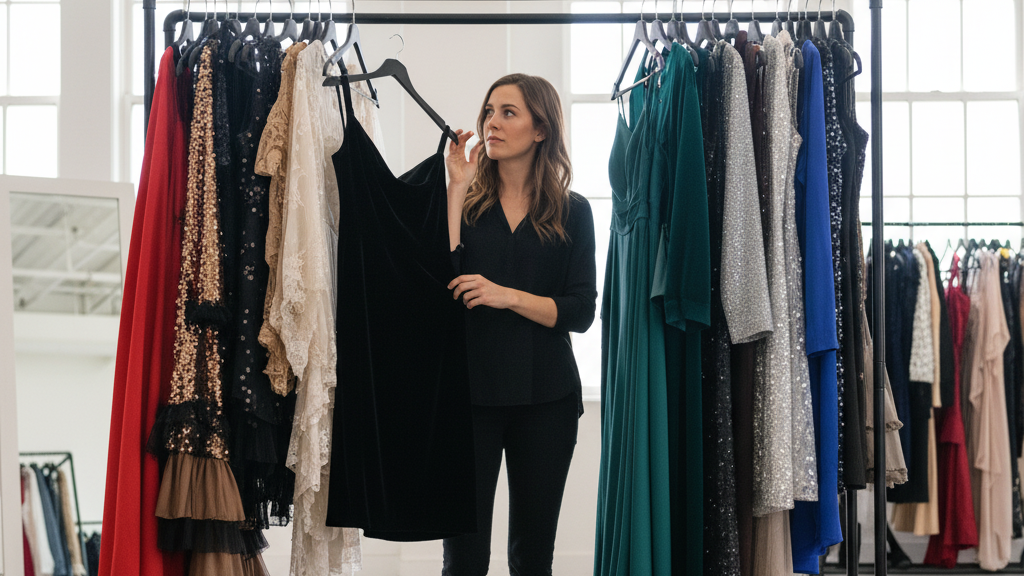
- Plan your outfit days in advance (trying on and testing for comfort)
- Break in new shoes if necessary (or bring backup flats)
- Charge your phone fully
Mental preparation:
- Set realistic expectations (you won’t meet everyone, and that’s fine)
- Have your one-sentence introduction ready (“I’m [Name], I [interesting fact]”)
- Prepare 3-4 conversation starters or questions
- Give yourself permission to leave early if you’re genuinely not enjoying it
Navigating the Venue
Upon arrival:
- Complete check-in and get your wristband/stamp
- Locate key areas: Bathrooms, coat check (if available), exits, bar, lounge areas, dance floor
- Scope the scene: Observe for 5-10 minutes before diving in
- Get a drink: Gives you something to hold and a reason to approach the bar area
- Position yourself strategically: Near the bar, at the edges of the dance floor, in transition areas between rooms
Moving through the space:
- Don’t plant yourself in one spot all night—circulate every 20-30 minutes
- Use transitions (getting drinks, heading to the bathroom, going outside) as opportunities to start conversations
- If you’re standing alone, position yourself where people naturally look or pass by
- Make yourself approachable: smile, open body language, don’t hide behind your phone
Starting Conversations
Hotel party conversations are easier than you think because everyone’s there for the same reason—to have a good time and meet people.
Easy conversation starters:
- “Hey! How do you know about this event?”
- “Is this your first time here? I’m trying to figure out the vibe.”
- “This venue is amazing, right?”
- “Have you been to one of these events before?”
- “Where are you coming from tonight?”
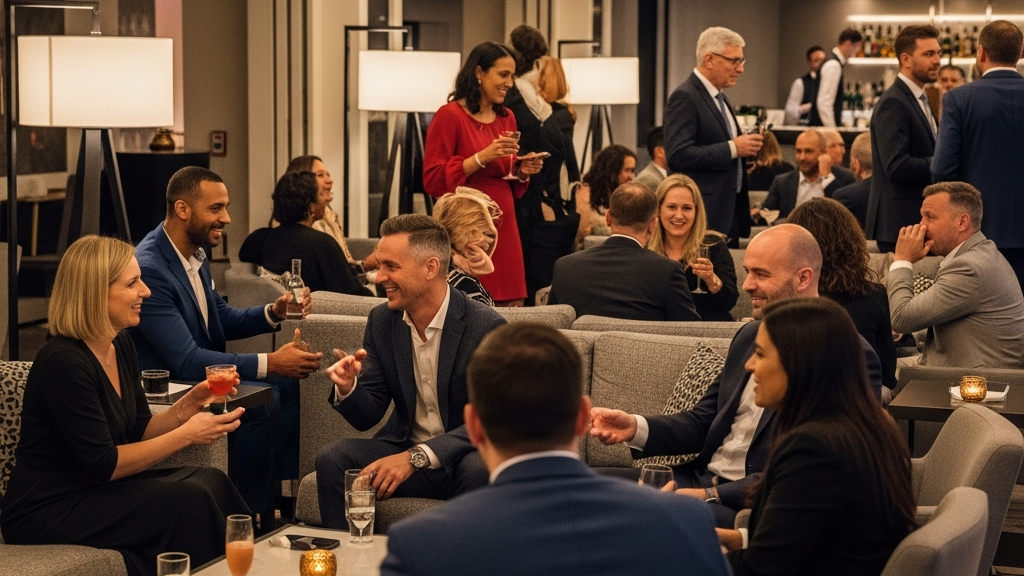
In the dance floor area:
- Compliment someone’s dancing (genuine only)
- “This song is incredible—haven’t heard it in forever!”
- “I needed this after the week I’ve had—you?”
Near the bar:
- “What are you drinking? Is it good?”
- “The bartender’s been swamped—have you been waiting long?”
- “Have you tried any of their signature drinks?”
In lounge areas:
- “Mind if I sit here?”
- “Needed a break from the music—it’s intense in there!”
- “This is a great people-watching spot.”
Reading the Room
Good signs you’re in the right environment:
- People are smiling, laughing, engaged
- Mixed groups forming and reforming naturally
- Strangers talking to strangers
- Inclusive energy (people welcoming others into conversations)
- Comfortable mix of dancing, mingling, and lounging
Warning signs of a problematic event:
- Aggressive behavior or excessive intoxication
- Exclusive cliques refusing to engage with others
- Uncomfortable gender dynamics or unwanted attention
- Poor venue management or security issues
- Your gut feeling uncomfortable or unsafe
Trust your instincts. If something feels off, leave. No event is worth compromising your safety or comfort.
Safety and Smart Partying
Alcohol Management
Hotel parties often have open bars or drink packages, which can lead to overindulgence.
Smart drinking strategies:
- Pace yourself: One drink per hour is a sustainable pace for most people
- Alternate: Every other drink should be water or non-alcoholic
- Eat before and during: Never drink on an empty stomach
- Know your limit: Stay well below it—there’s nothing fun about being “that person”
- Quality over quantity: Sip and savor rather than drinking quickly
Warning signs you’ve had enough:
- Losing track of how many drinks you’ve had
- Coordination becoming impaired
- Speech slurring
- Feeling dizzy or nauseous
- Making decisions you wouldn’t make sober
Personal Safety
Stay aware:
- Keep your phone charged and easily accessible
- Never leave your drink unattended
- Don’t accept drinks you didn’t see poured or opened
- Stay with friends when possible, especially when leaving
- Let someone know where you are
Transportation:
- Plan your ride home before the party
- Use rideshare apps, taxis, or designated drivers
- Never drive after drinking
- Some events offer shuttles or group transportation—use them
- Have a backup plan if your original ride falls through
Boundaries and consent:
- You can decline dances, drinks, or conversations
- “No” is a complete sentence
- Physical boundaries matter—speak up if someone makes you uncomfortable
- Look out for others who seem uncomfortable or unsafe
- Event security and hotel staff are there to help—use them if needed
Money and Valuables
What to bring:
- ID (mandatory)
- Credit card or cash for tips/coat check/emergencies
- Phone
- Hotel room key if you’re staying at the venue
What to leave home or locked in your car:
- Expensive jewelry
- Large amounts of cash
- Anything you’d be devastated to lose
Hotel room safety: If you’re staying at the hotel, use the safe for valuables, lock your room door, and never give your room number to people you just met.
Making Connections at Party Events
The Art of Party Conversation
Party conversations differ from regular social interactions—they’re shorter, lighter, and happen in louder environments.
Keep it simple:
- Shorter sentences (hard to hear over music)
- Positive topics (it’s a party, keep it upbeat)
- Common ground (the event itself, the music, the venue)
- Genuine interest in others
Topics that work:
- How they know about the event
- What brings them out tonight
- Recent travel or upcoming plans
- Hobbies and interests
- Music preferences (especially relevant at parties)
- Fun weekend plans
Topics to avoid:
- Heavy personal problems
- Controversial politics
- Negative gossip
- Complex work discussions
- Anything requiring lengthy explanation
From Party Acquaintance to Real Connection
Not everyone you meet at a party will become a friend—and that’s fine. But when you do click with someone, here’s how to turn a good conversation into a potential friendship.
During the party:
- Have substantial conversations, not just quick hellos
- Find common interests or experiences
- Introduce them to others you know (creates shared social context)
- Hang out in multiple locations (dance floor, then lounge, then outside)
- Take a photo together (creates a natural follow-up excuse)
Exchanging information:
- Timing matters: Get contact info during or right after a good conversation, not at the end of the night when you’re both exhausted
- Be specific: “I’d love to grab coffee and continue this conversation” beats “We should hang out sometime”
- Make it mutual: “Want to exchange numbers?” rather than just collecting theirs
Following up:
- Text within 48 hours while you’re both fresh in each other’s memory
- Reference specific things you discussed
- Suggest a concrete next step (coffee, another event, activity related to shared interests)
- Keep it low-pressure
Group Dynamics
Hotel party events often involve meeting groups of friends, not just individuals.
Joining groups:
- Make eye contact and smile at the group
- Address everyone, not just one person
- Ask the group questions rather than interviewing individuals
- Contribute to the conversation without dominating
- Read body language—if the group closes ranks, move on gracefully
Bringing friends:
- Don’t arrive and stay in an impenetrable bubble
- Split up intentionally to meet new people
- Reconnect periodically throughout the night
- Introduce your friends to new people you meet (creates a larger social web)
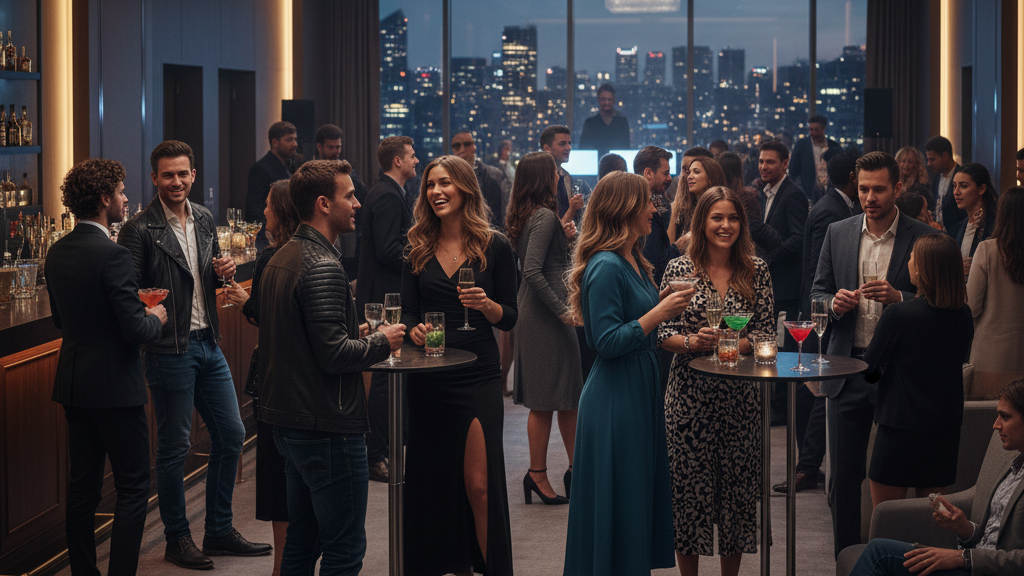
House Parties: The Other Side of Venue Events
While this guide focuses primarily on hotel and venue events, many of the same principles apply to house parties, which occupy a different but related space in the social landscape.
Key Differences: House Parties vs. Hotel Events
House parties offer:
- More intimate settings (usually 20-60 people)
- Personal touches and host personality
- Lower cost or free entry
- More casual dress codes
- BYOB culture common
- Residential neighborhood constraints
House parties require:
- Connection to the host or an inviter
- Respecting someone’s personal space
- More awareness of noise and neighbor concerns
- Often contributing (bringing drinks, snacks, or supplies)
Hotel/venue events offer:
- Professional amenities (bathrooms, bars, space)
- Larger scale and more production value
- No neighbor/noise concerns
- More anonymous (don’t need to know the host)
- Professional security and management
- Climate control and backup plans
House Party Etiquette Essentials
If you’re attending house parties as part of your social calendar:
Always bring something: Bottle of wine, craft beer, specialty cocktail ingredients, appetizers, or dessert. Arriving empty-handed is poor form.
Respect the space: Use coasters, throw away trash, don’t wander into off-limits rooms, treat furniture respectfully.
Mind the volume: Be conscious of noise levels, especially late at night in residential areas.
Don’t overstay: When the energy winds down or the host starts cleaning, it’s time to leave.
Help if you can: Offering to help clean up or take out trash at the end shows appreciation and gets you invited back.
Creating Your Party Event Strategy
Finding the Right Events for You
Match events to your preferences:
Energy level:
- High-energy person? → Large ballroom events with packed dance floors
- More low-key? → Suite parties or lounge-focused events
- Somewhere between? → Mid-sized events with varied spaces
Social comfort:
- Extroverted? → Events with 200+ people offer maximum variety
- Introverted? → Smaller events (50-100 people) allow deeper conversations
- Ambiverted? → Events with multiple rooms/areas let you control your exposure
Interests:
- Love dancing? → DJ-focused dance parties
- Prefer conversation? → Lounge-style events or networking mixers
- Creative expression? → Themed costume events
- Music-focused? → Events featuring live bands or specific music genres
Building Your Event Routine
Start gradually:
- Month 1: Attend one event to dip your toes in
- Month 2: Try two different types of events
- Month 3: Settle into a rhythm that works for you
Avoid burnout:
- One major event per weekend is sustainable
- Two per month allows recovery time
- Back-to-back nights can be exhausting—space them out
Create balance:
- Mix large and small events
- Vary locations and venues
- Alternate party types (some dancing, some networking, some themed)
- Include events where you know people and events where you’re starting fresh
The Reality Check: When Events Aren’t Your Scene
Not everyone loves big party events, and that’s completely valid. Here’s the honest truth about who thrives at these events and who might prefer other social formats.
Hotel Parties Are Great For:
- People who enjoy music, dancing, and high-energy environments
- Social butterflies who thrive in stimulating atmospheres
- Anyone seeking variety in their social calendar
- Those comfortable with brief, diverse interactions
- People who find energy in crowds
- Anyone looking to expand social circles quickly
Alternative Social Formats Might Be Better If:
- Loud music gives you anxiety rather than energy
- You prefer deep conversations over brief interactions
- Crowds drain you quickly
- You need lower stimulation to enjoy socializing
- You’d rather know everyone at a gathering
- Alcohol-centered environments aren’t your preference
Other social options to explore:
- Smaller dinner parties or game nights
- Book clubs or hobby groups
- Outdoor adventure groups
- Volunteer organizations
- Classes or workshops
- Coffee meet-ups or daytime events
There’s no shame in knowing what works for you. Social fulfillment comes in many forms.
Your First Hotel Party Event: Final Checklist
Week Before:
- ✅ Confirm event details (date, time, location, dress code)
- ✅ Purchase tickets or confirm guest list status
- ✅ Plan outfit and try it on
- ✅ Arrange transportation (rideshare plan or designated driver)
- ✅ Check weather (if outdoor components)
Day Of:
- ✅ Eat a solid meal 2-3 hours before
- ✅ Hydrate throughout the day
- ✅ Charge phone fully
- ✅ Get ready with extra time (rushing increases anxiety)
- ✅ Bring: ID, payment method, phone, room key if applicable
Mental Preparation:
- ✅ Set realistic expectations (goal: have fun, meet 2-3 interesting people)
- ✅ Give yourself permission to leave early if needed
- ✅ Remember everyone’s there to meet people and have a good time
- ✅ Prepare conversation starters
- ✅ Breathe—you’ve got this
During the Event:
- ✅ Arrive within first 90 minutes
- ✅ Scope out venue layout
- ✅ Start conversations with open body language
- ✅ Pace alcohol consumption
- ✅ Take breaks when needed
- ✅ Exchange info with anyone you connect with
- ✅ Stay aware and safe
After the Event:
- ✅ Get home safely
- ✅ Hydrate before bed
- ✅ Follow up with new connections within 48 hours
- ✅ Reflect on what worked well
- ✅ Consider what you’d do differently next time
The Bottom Line
Hotel party events offer something unique in the social landscape: the energy and scale of large gatherings with more intention and structure than typical nightlife. They’re not quite clubs, not quite private parties, but something in between—accessible yet curated, high-energy yet welcoming, large enough for variety but intentional enough for genuine connection.
Your first event will probably feel overwhelming. Your second will feel more comfortable. By your third, you’ll wonder why you waited so long to try them.
The people at these events are just like you—looking for connection, fun, and experiences that break them out of routine. They’re hoping someone interesting will talk to them. They’re nervous about what to wear and whether they’ll fit in. They want to meet people who make them laugh, think, or simply feel less alone.
Go be that person for someone. Let someone be that person for you.
The dance floor is waiting. The conversations are starting. Your next great friendship might be one hotel lobby away.
Ready to find your next social adventure? Discover hotel party events, venue gatherings, and local celebrations in your area. Your social calendar is about to get a lot more interesting.
Related Resources:
- First Lifestyle Event Guide: What to Expect and How to Prepare
- Lifestyle Meet and Greet Events: The Low-Pressure Way to Explore
- Conversation Starters for Any Social Situation: Never Run Out of Things to Say
- Adult Lifestyle Cruises: What to Expect on Your First Voyage
- All-Inclusive Resorts: Complete Guide for Nervous First-Timers