
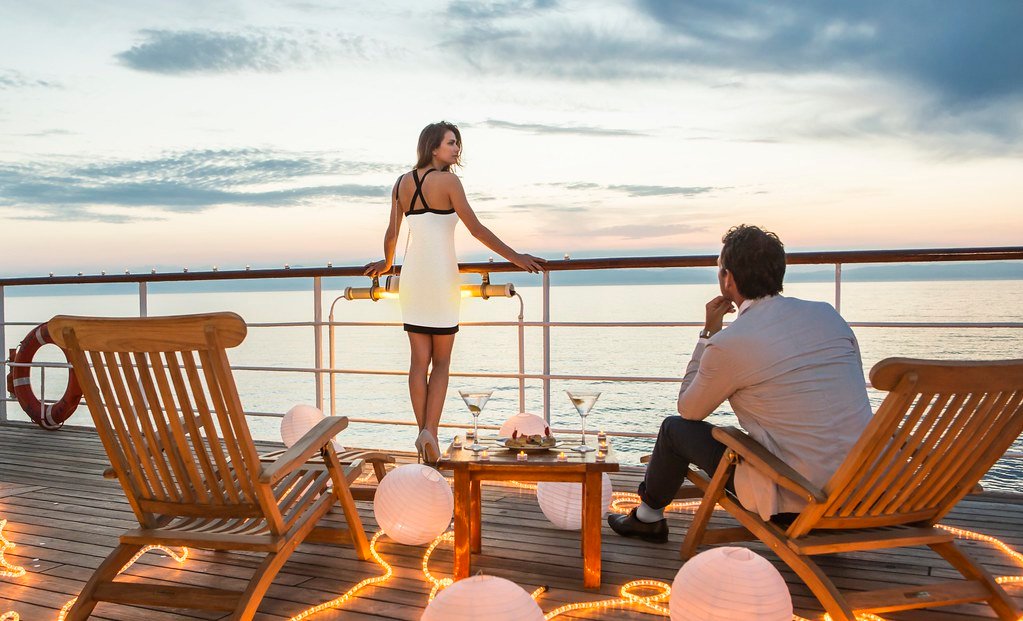
The brochure shows a couple clinking champagne glasses on a sunlit balcony. What it doesn’t show: the $18-per-drink charge that appears on your cabin bill, the mandatory $16-per-day gratuity added automatically, or the fact that your checked bags won’t arrive at your cabin until 5pm — six hours after you board. These aren’t complaints. They’re just the things nobody tells first-time cruisers, and they’re exactly what this guide covers.
Cruising is genuinely one of the best vacation formats available — unpack once, wake up somewhere new every day, and let someone else handle all the logistics. But the first-time experience is dramatically better when you know what to actually expect, not just what the marketing materials show you. These first time cruise tips cover the things experienced cruisers wish they’d known before their first sailing.
Table of contents
Table of Contents
🛳️Quick Takeaways
- Quick Takeaways:
- Budget $200-400 per couple per day beyond the base fare for gratuities, drinks, excursions, and specialty dining
- Your checked bags arrive at your cabin 4-6 hours after you board — pack a carry-on with day-one essentials
- Midship cabins on middle decks have the least motion — critical if you’re concerned about seasickness
- Book shore excursions 90 days out — the good ones sell out, especially in Alaska and popular Mediterranean ports
- The “all aboard” time is not a suggestion — the ship will leave without you
- Cruise lines make their real money on extras; knowing this upfront lets you budget and choose deliberately
Understanding Cruise Basics: Cruise Vacation Guide
What Is a Cruise Vacation, Really??
A cruise vacation is essentially a floating hotel that takes you to multiple destinations while you unpack just once. Unlike traditional vacations where you move from hotel to hotel, on a cruise your accommodations travel with you. You’ll wake up in a new port every day or two, ready to explore without the hassle of packing, checking out, and traveling to your next destination.
Modern cruise ships are far more than transportation — they’re destinations themselves. Today’s mega-ships feature restaurants, theaters, nightclubs, pools, spas, fitness centers, and entertainment that rivals anything you’d find on land. Some ships even have rock climbing walls, ice skating rinks, surf simulators, and water parks.
The beauty of cruising lies in its all-in-one nature. Your accommodations, most meals, entertainment, and transportation between destinations are bundled into one price. This makes budgeting easier — once you understand what “bundled” actually means and what isn’t included.
Why Choose a Cruise?
Cruising offers unique advantages that make it appealing to millions of travelers each year:
- Value for Money: When you add up the cost of hotels, meals, entertainment, and transportation between multiple destinations, cruising often provides exceptional value. Many amenities and meals are included in your fare, so you know your baseline costs upfront.
- Multiple Destinations: Visit several cities or islands in one trip without the hassle of booking multiple hotels, transportation, or dealing with airport security repeatedly. Wake up somewhere new without lifting a finger.
- Convenience: Unpack once and let the ship do the traveling. Your floating hotel follows you to each destination, eliminating the stress of coordinating transportation and accommodations.
- Built-in Entertainment: From Broadway-style shows to live bands, comedy clubs to outdoor movies, cruise ships offer entertainment options for every taste — most included in your fare.
- Social Opportunities: Whether you’re traveling solo or with a partner, cruises make it easy to meet people. From organized social events to casual poolside conversations, you’ll have plenty of opportunities to connect with fellow travelers.
- Something for Everyone: Modern cruise ships cater to diverse interests. Want to party all night? There’s a ship for that. Prefer quiet relaxation? There are intimate, elegant options. Adventure seeker? Ships offer everything from zip-lining to scuba diving.
What Brochures Don’t Say: Common First-Timer Surprises
Let’s address the things that genuinely surprise first-time cruisers — not to scare you away, but because knowing these upfront transforms a confusing experience into a confident one:
“It’s only for retired people.” While cruises have traditionally been popular with retirees, the demographics have shifted dramatically. Today’s cruise passengers range from young couples to solo travelers to groups of friends in their 20s through 60s. Many cruise lines specifically cater to younger crowds with party atmospheres, nightclubs, and adventure excursions.
“You’ll get seasick.” Modern cruise ships are equipped with advanced stabilizer systems that minimize motion. Most passengers never experience seasickness, especially on large ships sailing in calm waters like the Caribbean. Cabin location matters: midship, lower decks have the least motion. If you’re concerned, simple remedies like ginger or wristbands can help.
“You’re trapped on a boat.” With ports of call every day or two, you’ll spend plenty of time exploring destinations on land. Even on sea days, modern ships are so large with so many activities that you’ll never feel confined. Many first-time cruisers discover that sea days become their favorite part of the trip.
“It’s too expensive.” When you compare the total cost of a land vacation covering multiple cities — hotels, meals, entertainment, transportation — cruising often comes out ahead. You can cruise for as little as $50-100 per person per day on the base fare. The extras add up, but so do extras on any vacation.
“The base fare is the real cost.” This is the one brochures definitely don’t highlight. Gratuities ($14-18 per person per day), drinks ($8-15 each or $50-80/day for a package), specialty dining ($25-75 per person), shore excursions ($50-300 per person per port), and WiFi ($15-30/day) are all separate. Budget for these before you book, not after.
Choosing Your Perfect Cruise
Cruise Line Selection
Different cruise lines have distinct personalities, and finding the right fit is crucial to your enjoyment. Here’s a breakdown of the major players that you can use as your first time cruise tips and planning:
Mass Market Lines (Best Value):
- Carnival Cruise Line: Known as “The Fun Ships,” Carnival appeals to younger crowds and those who enjoy a lively, party atmosphere. Think casual dining, themed deck parties, and an energetic vibe. Great for groups of friends and couples who want social interaction and entertainment.
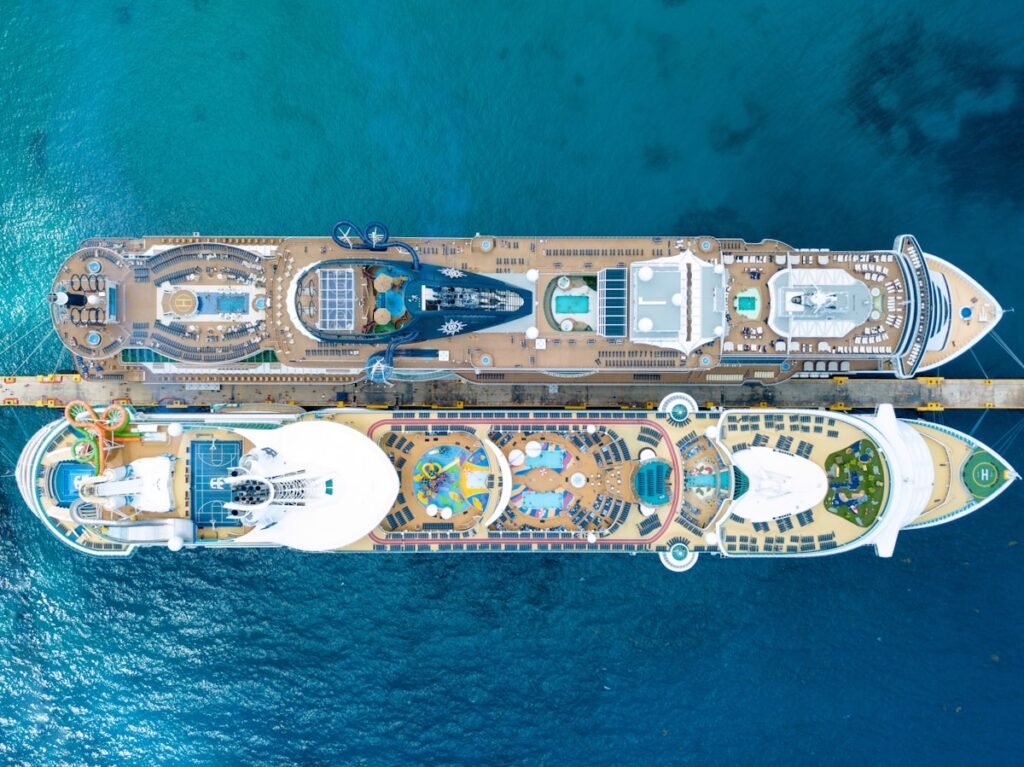
- Royal Caribbean: Offers the biggest ships with the most activities. If you want adventure (zip-lining, rock climbing, surf simulators), this is your line. Appeals to active travelers who want variety and excitement.
- Norwegian Cruise Line: Famous for “Freestyle Cruising” with flexible dining and no set meal times. Great for independent travelers who don’t want to be tied to schedules. Modern ships with excellent entertainment.
Premium Lines (Elevated Experience):
- Virgin Voyages: Virgin Voyages is all about Adult-by-Design luxury with a rebellious streak. Think RockStar energy meets elevated, stylish relaxation—with absolutely no kids. The vibe is exclusive and electric, focusing on innovative dining (no buffets, just 20+ distinct eateries included), wellness, and high-production original entertainment that swaps traditional shows for immersive experiences. Perfect for couples, solo travelers, and groups of friends looking for a sophisticated, unconventional cruise experience where all gratuities, basic beverages, and fitness classes are included. Virgin Voyages Booking*
- Celebrity Cruises: Modern luxury with sophisticated design and excellent food. More refined atmosphere while still offering entertainment and activities. Perfect for couples seeking upscale experiences without ultra-luxury pricing.
- Princess Cruises: Traditional cruising with elegant touches. Known for excellent service and adult-focused atmosphere. Good choice for romantic getaways and those who appreciate classic cruise experiences.
- Holland America: Appeals to more mature travelers seeking refined experiences. Known for art collections, culinary expertise, and enrichment programs. More subdued than mass market lines.
Luxury Lines (Ultimate Indulgence):
- Oceania: Known for exceptional cuisine and destination-focused itineraries. Smaller ships that visit more unique ports. All-inclusive pricing includes specialty dining.
- Regent Seven Seas: True all-inclusive luxury. Spacious suites, shore excursions included, unlimited premium beverages, and exceptional service. If budget isn’t a concern, this is cruising at its finest.
- Viking Ocean: Adults-only cruising with cultural enrichment focus. Smaller ships, included shore excursions, and destination immersion. Perfect for intellectually curious travelers.
Specialty Charter Cruises (The Takeover Experience):
- Bliss Cruises: The largest and most established lifestyle charter operation. Books entire ships and transforms them into floating adults-only resorts at sea. Known for a high-energy social atmosphere, themed events nightly, and a welcoming community of open-minded travelers. Itineraries typically include Caribbean and Mediterranean routes.
- Temptation Cruises: From the team behind Temptation Cancun Resort, expect the same party-forward energy translated to the open water. Clothing-optional decks, themed nights, and a younger, energetic crowd make this a natural extension of the resort experience for fans of the brand.
- Desire Cruises: The at-sea counterpart to the Desire resort properties, with the same emphasis on elegance and romance. A more sophisticated atmosphere than some other charters, couples-focused, with curated events and upscale touches throughout.
- Rock Star Cruises: Boutique-style charters with a music and lifestyle theme. Smaller guest count creates an intimate, festival-meets-cruise atmosphere. Known for live entertainment, themed experiences, and a tight-knit community feel that keeps guests coming back year after year.
- If specialty charter cruises sound like your kind of adventure, browse the upcoming sailings we’ve listed to find your perfect voyage.
Itinerary Selection
Where do you want to go? Your destination choice shapes your entire cruise experience.
Caribbean Cruises (Most Popular):
The Caribbean offers warm weather, beautiful beaches, and convenient sailing from U.S. ports. Routes typically divide into three regions:
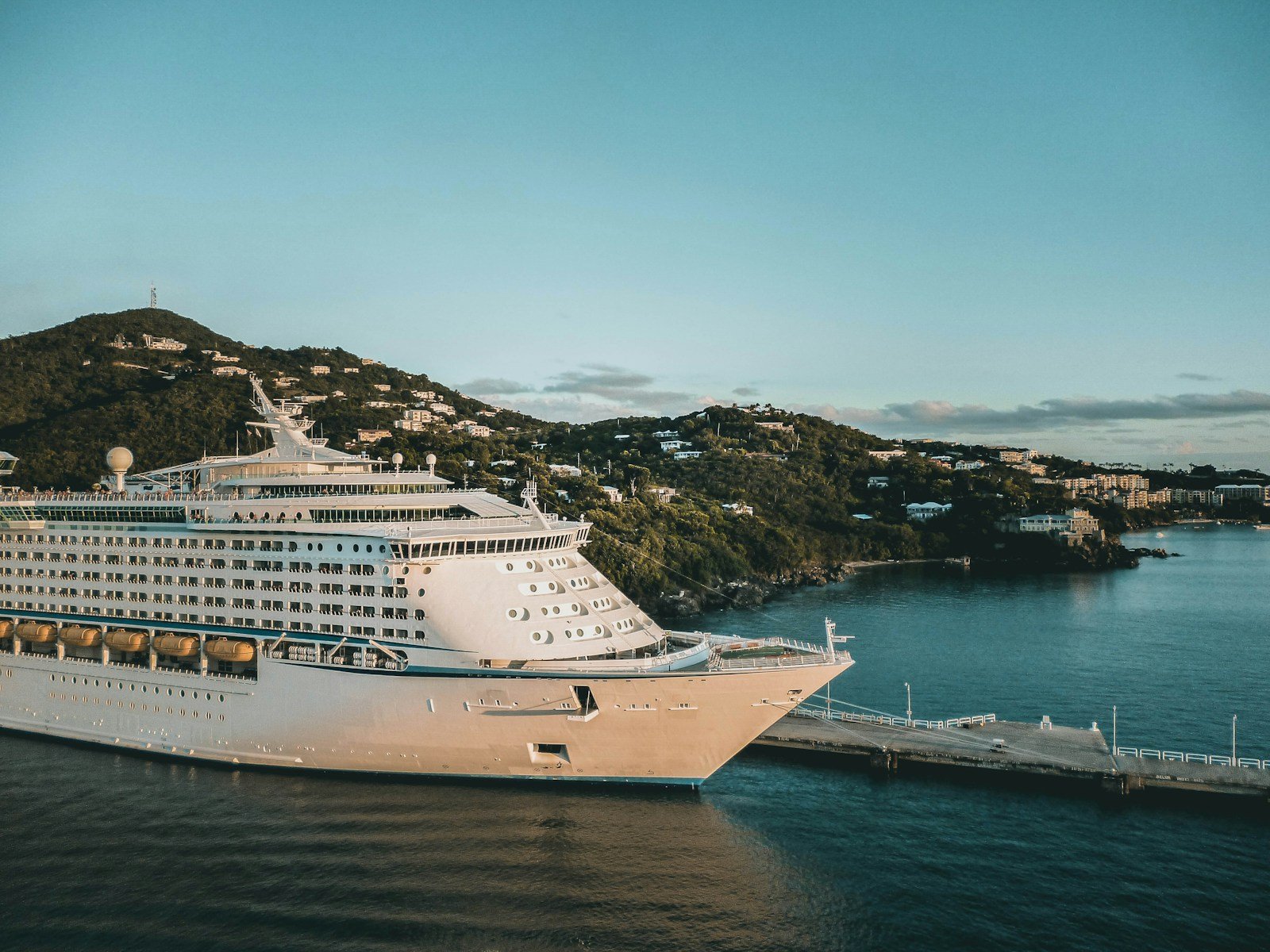
- Eastern Caribbean: Ports like St. Thomas, St. Maarten, and the Bahamas. Known for shopping, beaches, and water sports. Usually 7-day itineraries from Florida.
- Western Caribbean: Includes Mexico (Cozumel, Costa Maya), Jamaica, Grand Cayman, and Belize. More adventure-focused with ruins, zip-lining, and eco-tours.
- Southern Caribbean: Less visited islands like Aruba, Curacao, Barbados. More auCruise Line Selection
Different cruise lines have distinct personalities, and finding the right fit is crucial to your enjoyment. Here’s a breakdown of the major players:
Mass Market Lines (Best Value):
- Carnival Cruise Line: Known as “The Fun Ships,” Carnival appeals to younger crowds and those who enjoy a lively, party atmosphere. Think casual dining, themed deck parties, and an energetic vibe. Great for groups of friends and couples who want social interaction and entertainment.
- Royal Caribbean: Offers the biggest ships with the most activities. If you want adventure (zip-lining, rock climbing, surf simulators), this is your line. Appeals to active travelers who want variety and excitement.
- Norwegian Cruise Line: Famous for “Freestyle Cruising” with flexible dining and no set meal times. Great for independent travelers who don’t want to be tied to schedules. Modern ships with excellent entertainment.
Premium Lines (Elevated Experience):
- Celebrity Cruises: Modern luxury with sophisticated design and excellent food. More refined atmosphere while still offering entertainment and activities. Perfect for couples seeking upscale experiences without ultra-luxury pricing.
- Princess Cruises: Traditional cruising with elegant touches. Known for excellent service and adult-focused atmosphere. Good choice for romantic getaways and those who appreciate classic cruise experiences.
- Holland America: Appeals to more mature travelers seeking refined experiences. Known for art collections, culinary expertise, and enrichment programs. More subdued than mass market lines.
Luxury Lines (Ultimate Indulgence):
- Oceania: Known for exceptional cuisine and destination-focused itineraries. Smaller ships that visit more unique ports. All-inclusive pricing includes specialty dining.
- Regent Seven Seas: True all-inclusive luxury. Spacious suites, shore excursions included, unlimited premium beverages, and exceptional service. If budget isn’t a concern, this is cruising at its finest.
- Viking Ocean: Adults-only cruising with cultural enrichment focus. Smaller ships, included shore excursions, and destination immersion. Perfect for intellectually curious travelers.
Itinerary Selection
Where do you want to go? Your destination choice shapes your entire cruise experience.
Caribbean Cruises (Most Popular for First-Timers):
The Caribbean offers warm weather, beautiful beaches, and convenient sailing from U.S. ports. Routes typically divide into three regions:
- Eastern Caribbean: Ports like St. Thomas, St. Maarten, and the Bahamas. Known for shopping, beaches, and water sports. Usually 7-day itineraries from Florida.
- Western Caribbean: Includes Mexico (Cozumel, Costa Maya), Jamaica, Grand Cayman, and Belize. More adventure-focused with ruins, zip-lining, and eco-tours.
- Southern Caribbean: Less visited islands like Aruba, Curacao, Barbados. More authentic Caribbean experiences, longer cruises (often 10+ days), and stunning beaches.thentic Caribbean experiences, longer cruises (often 10+ days), and stunning beaches.
Alaska Cruises (Breathtaking Scenery):
Sail through fjords past glaciers, mountains, and wildlife. Peak season runs May through September. Inside Passage routes offer protected, calm waters with spectacular views. Expect to see whales, bears, and bald eagles. Shore excursions focus on nature, history, and adventure.
Mediterranean Cruises (Culture and History):
Visit multiple countries in one trip. Popular routes include Western Mediterranean (Barcelona, Rome, French Riviera) and Eastern Mediterranean (Greece, Turkey, Croatia). Rich history, incredible food, and iconic cities. Best from April to October.
Mexico and Baja (Convenient and Warm):
Short cruises from California to Baja or longer voyages from Texas/Florida to Mexican Caribbean. Great for first-time cruisers wanting warm weather without long flights. Ports like Cabo San Lucas, Puerto Vallarta, and Cozumel offer beaches, activities, and culture.
Bermuda (Beach Paradise):
Typically 7-day cruises from East Coast ports. Ships often stay overnight in Bermuda, giving you more time to explore. Pink sand beaches, British colonial culture, and water sports. More upscale atmosphere than Caribbean.
Cruise Duration: Finding Your Sweet Spot
Short Cruises (3-5 days): Perfect for first-timers wanting to test cruising without major time or financial commitment. Also great for long weekend getaways. Usually limited to Bahamas or Mexico from Florida or California. Keep in mind: two of those days are spent mostly at sea for embarkation and disembarkation.
Week-Long Cruises (7 days): The most popular length and best value. Enough time to relax, visit 4-5 ports, and enjoy ship amenities without feeling rushed. The ideal first cruise length for most people.
Extended Cruises (10-14 days): Allow for more distant destinations, relaxed pacing, and deeper exploration. Better for travelers with time flexibility. You’ll really settle into cruise rhythm and feel like you’ve had a proper vacation.
Trans-Ocean and World Cruises (14+ days to months): For serious cruisers and those with significant time and budget. Cross oceans, visit dozens of ports, and truly disconnect from everyday life.
Ship Size Considerations
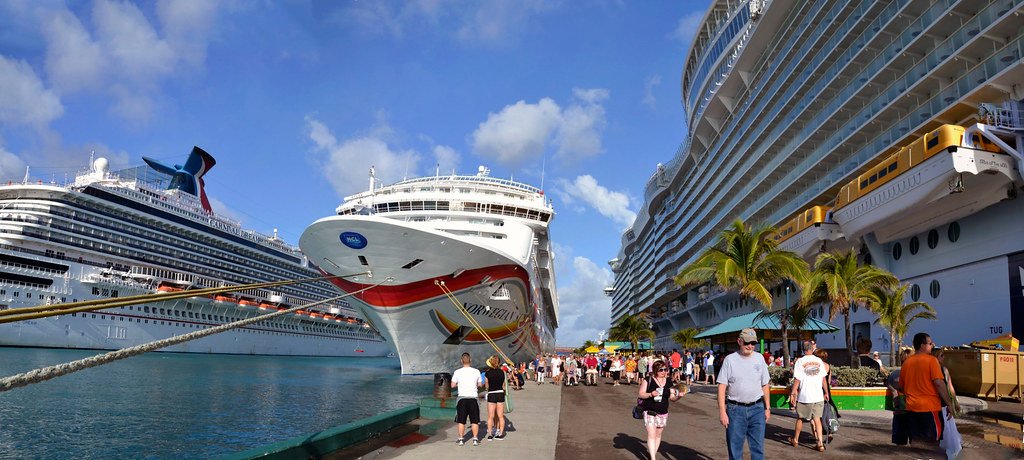
Ship size dramatically affects your experience. Bigger isn’t always better — it depends on your preferences.
Mega-Ships (5,000+ passengers):
- Pros: Incredible activities and amenities. Multiple restaurants, entertainment venues, pools, and activity zones. Always something happening. Great for active travelers and groups who want options.
- Cons: Can feel crowded. Longer wait times for elevators, tenders, and popular activities. Less intimate feel. Port embarkation/disembarkation takes longer.
- Best for: First-time cruisers, groups of friends, active travelers, those who want variety
Mid-Size Ships (2,000-4,000 passengers):
- Pros: Balance of amenities and intimacy. Enough activities without overwhelming crowds. Easier to navigate. More personalized service possible.
- Cons: Fewer dining and entertainment options than mega-ships. May lack newest innovations and activities.
- Best for: Couples, those seeking balance, travelers who want amenities without crowds
Small Ships (under 1,000 passengers):
- Pros: Intimate atmosphere, personalized service, unique port access. Can visit smaller ports mega-ships can’t reach. More immersive destination focus. You’ll recognize fellow passengers.
- Cons: Fewer activities and dining options. Less entertainment. Higher per-person pricing. Can feel more motion in rough seas.
- Best for: Couples seeking intimacy, destination-focused travelers, those who’ve cruised before, luxury seekers
Sailing Date Selection
When you sail affects both your experience and your budget.
- Peak Season: School holidays, summer months, major holidays. Expect higher prices, more crowded ships and ports, but optimal weather. Book 6-12 months ahead for best cabin selection.
- Shoulder Season: The sweet spot for many travelers. Spring (April-May) and fall (September-November) offer lower prices, fewer crowds, and still-decent weather. Best value period for Caribbean and Mediterranean cruises.
- Off-Season: Lowest prices but weather risks increase. Caribbean hurricane season (June-November, peak August-October) means potential itinerary changes or rough seas. Alaska in May or September has cooler weather but gorgeous fall colors or spring beauty.
Special Considerations:
- Coordinate with work schedules and vacation time
- Caribbean hurricane season (June-November)
- Mediterranean cold season (November-March)
- Alaska only operates May-September
- Holiday sailings command premium pricing
- Repositioning cruises (spring and fall) offer amazing deals as ships move between regions
Selecting Your Cabin
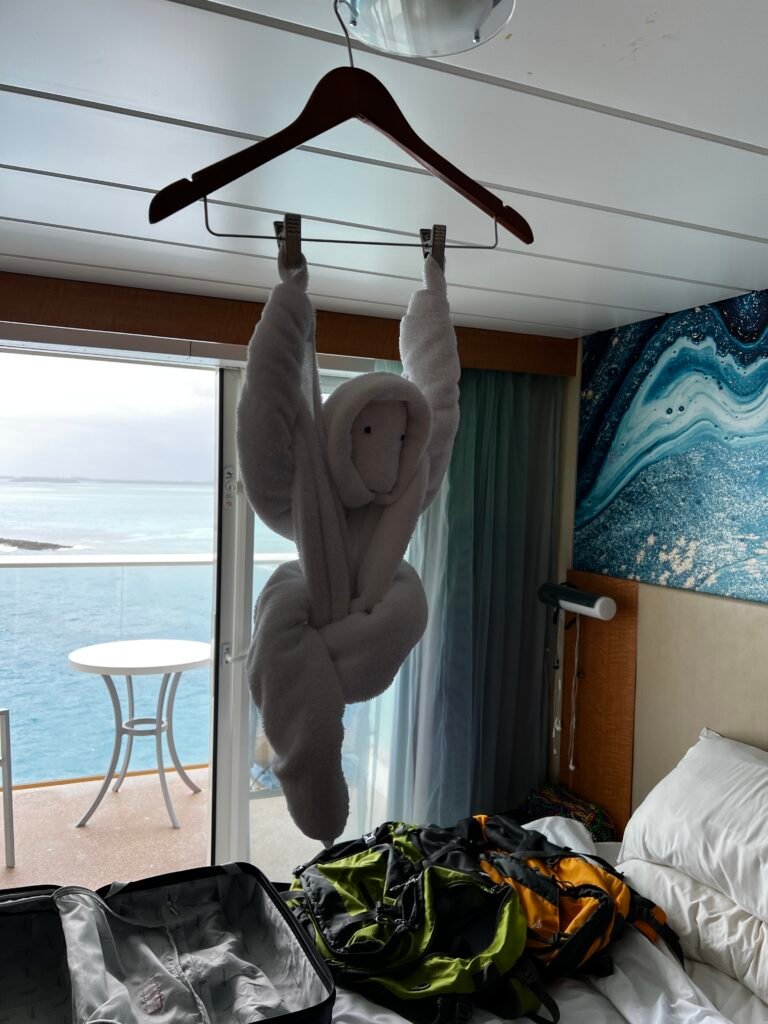

Your cabin choice significantly impacts both your experience and budget. Here’s what you need to know — including the things the upgrade upsell emails won’t tell you:
Cabin Categories Explained
Inside Cabins (Most Affordable):
Inside cabins have no windows or natural light. They’re typically 150-185 square feet — enough for a bed, bathroom, small desk, and storage.
- Who should book inside cabins: Budget-conscious travelers who plan to spend most time exploring the ship and ports. If you only sleep and shower in your cabin, why pay more? Solo travelers can find good value here.
- Pros: Significant savings ($500-1,000+ less than balcony), same ship access as everyone else, very dark for excellent sleeping, often located mid-ship (less motion).
- Cons: No natural light or outside views, can feel claustrophobic for some, difficult to tell time of day or weather, smallest accommodations available.
- First-timer tip: Request higher decks for less noise. Bring a nightlight for bathroom trips. Set phone alarms since you won’t have natural light to wake you.
Oceanview Cabins (Middle Ground):
These cabins feature a window (porthole or larger window) allowing natural light and outside views. Usually 160-200 square feet.
- Who should book: Those who want natural light but don’t need a balcony. Good for couples who want to see outside without the balcony price jump.
- Pros: Natural light improves cabin feel, can see weather and ports, moderately priced, slightly larger than inside cabins.
- Cons: Can’t step outside, view may be obstructed on some ships, windows don’t open, still relatively small space.
- First-timer tip: Check deck plans carefully — some oceanview cabins have obstructed or partially blocked views. Verify window type (porthole vs. large window).
Balcony Cabins (Best Value Sweet Spot):
Private outdoor space with sliding door access. Typically 180-250 square feet inside plus 40-80 square foot balcony. This is where most experienced cruisers land — and where first-timers on Alaska or scenic routes get the most value.
- Who should book: Couples seeking romance and privacy, anyone cruising Alaska or scenic routes where watching from your private balcony is half the experience, travelers who enjoy morning coffee or evening drinks with ocean views.
- Pros: Private outdoor space, fresh air whenever you want, great for scenic cruising days, cabin feels more spacious with outdoor access, surprising amount of time spent on balcony.
- Cons: Price jump from inside/oceanview ($300-800 more), balcony size varies significantly, weather can limit balcony use, occasional noise from neighboring balconies.
Suites (Ultimate Comfort):
Significantly larger accommodations (300-1,400+ square feet) with premium amenities and perks.
- Who should book: Special occasion travelers (honeymoons, anniversaries, milestone birthdays), those wanting space to spread out, travelers who value exclusive perks like priority boarding and concierge service.
- Pros: Spacious living areas, large balconies, priority boarding/disembarkation, concierge service, exclusive lounges and sun decks, complimentary perks (beverages, specialty dining), butler service on some lines.
- Cons: Significant price premium (2-5x balcony pricing). Worth doing the math on what perks are actually included vs. what you’d pay à la carte.
Cabin Location Strategy
Where your cabin is located matters almost as much as the category — and this is the tip that will save first-timers the most grief:
Forward vs. Midship vs. Aft:
- Midship (middle): Least motion, closest to elevators and main areas, typically more expensive. Best for motion-sensitive travelers and first-timers.
- Forward (front): Can experience more pitch (up and down) motion, sometimes quieter, unique views. Best for those unaffected by motion.
- Aft (rear): Some roll and sway possible, often features wrap-around balconies with wake views, sometimes less expensive. Best for budget-conscious balcony seekers.
Deck Height:
- Lower decks: Less motion, less expensive, closer to dining rooms, can feel more enclosed.
- Middle decks: Good balance, convenient to most areas, moderate pricing.
- Upper decks: Better views, more expensive, closer to pools and buffets, potential for more motion, longer elevator waits.
Proximity Considerations:
- Near elevators: Convenient but can be noisy with foot traffic
- Above/below public spaces: Avoid cabins directly above theaters, nightclubs, or below gyms/pool decks — noise issues
- Connecting cabins: Great for groups but can hear neighbors if not traveling together
Reading Deck Plans
Always review your ship’s deck plan before booking:
- Look for “obstructed view” warnings on oceanview and balcony cabins
- Check what’s directly above and below your cabin
- Verify elevator and stairway proximity
- Note lifeboat positions (can block lower deck views)
- Identify public spaces nearby that might create noise
Most cruise line websites have interactive deck plans. Take your time studying them — cabin location affects your daily experience more than most first-timers realize.
Booking Your Cruise
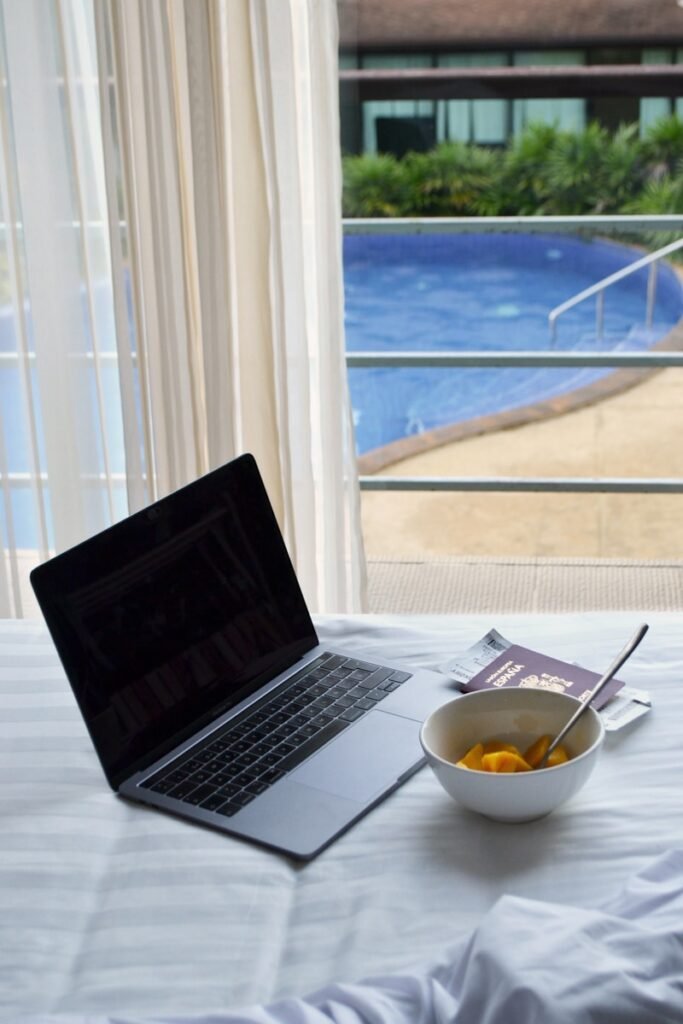
When to Book
Early Booking (12-18 months out):
- Advantages: Best cabin selection, early booking discounts, more time to pay, better airfare prices, peace of mind that vacation is secured.
- Best for: Peak season travel, holiday sailings, popular itineraries, specific cabin requirements, groups needing multiple cabins.
Wave Season (January-March):
- Advantages: The cruise industry’s biggest sale period. Expect onboard credits, reduced deposits, cabin upgrades, included airfare, and beverage packages.
- Best for: Flexible travelers, those planning 6-12 months ahead, deal hunters willing to book during this window.
Last-Minute (1-3 months out):
- Advantages: Can find significant discounts as cruise lines try to fill remaining cabins. Savings of 40-60% possible.
- Disadvantages: Limited cabin selection, expensive flights, may not get preferred sailing dates, stressful planning timeline.
- Best for: Flexible travelers with time freedom, those living near cruise ports (no flight needed), experienced cruisers comfortable with quick planning.
Where to Book
Book Through Us – Ticket4Play!
- Pros: It’s easy, you don’t even have to leave this site, we’re happy to answer questions before you book, and we’ve been on many of these trips, or have interviewed dozens of people who have. (Plus you help support us at no additional cost)
- Cons: There might be other perks from other agents.
Booking Direct with Cruise Line:
- Pros: Simplest process, deal directly with cruise line for issues, sometimes exclusive promotions, best cancellation policies.
- Cons: Miss potential perks from travel agents, no advocate if problems arise, may not get best price.
Online Travel Agencies (Expedia, Priceline, CruiseDirect):
- Pros: Easy price comparison, frequent sales and deals, user reviews available, simple booking process.
- Cons: Limited personalized service, may have to deal with third party for changes, harder to get questions answered.
Specialized Cruise Travel Agents:
- Pros: Expert advice and recommendations, often provides onboard credits or upgrades, handles all details and documentation, advocates if issues arise, relationship with cruise lines, group rates available.
- Cons: May need to call vs. instant online booking, service quality varies by agent.
Recommendation: For first-time cruisers, working with a knowledgeable cruise travel agent provides the best experience. They’re paid by cruise lines, so their services cost you nothing, but you get expertise and support.
What’s Included in Your Fare
Understanding what’s included helps set expectations and budget accordingly:
Always Included:
- Your stateroom accommodations for the duration
- All meals in main dining rooms and buffet
- Most casual dining venues (pizza, deli, etc.)
- Room service (small fee on some lines)
- Non-alcoholic beverages (coffee, tea, juice, water, lemonade)
- Entertainment (shows, live music, movies)
- Most activities and classes
- Pool and fitness center access
- Kids programs (if applicable)
Usually NOT Included:
- Alcoholic beverages ($8-15 per drink)
- Specialty dining restaurants ($25-75 per person)
- Shore excursions ($50-300+ per person)
- Gratuities/service charges ($14-18 per person per day)
- WiFi and internet packages
- Spa and salon services
- Photos from ship photographers
- Casino and shopping
- Specialty classes (wine tasting, art, etc.)
Additional Costs to Budget For
- Gratuities (Service Charges): Cruise lines automatically add $14-18 per person per day to your onboard account. For a week-long cruise, this adds $196-252 per couple to your final bill. You can prepay these when booking to have one less surprise. While you can technically remove gratuities, they’re how crew members receive much of their compensation—they’ve earned it.
- Shore Excursions: Budget $50-300 per person per port depending on activity level. Walking tours cost less than adventure activities like zip-lining or scuba diving. Many ports also allow free exploration on your own.
- Beverage Packages: If you enjoy alcoholic drinks, beverage packages ($50-80 per person per day) can provide value. Calculate your typical daily drink consumption to see if the package makes sense for you.
- Specialty Dining: Expect $25-75 per person for upscale restaurants. Most cruise lines allow one or two specialty dining experiences without breaking the bank. The food quality typically exceeds main dining rooms.
- WiFi: Packages range from $15-30 per day per device. If you can disconnect, save your money. If you must stay connected, buy packages before boarding for slight discounts.
For detailed cost breakdown and budgeting strategies, read our complete guide to cruise costs
Travel Insurance
Travel insurance is essential for cruise vacations. Here’s why:
- Trip Cancellation/Interruption: If you must cancel due to illness, injury, or family emergency, insurance reimburses your non-refundable deposits and payments. Medical emergencies happen—don’t risk losing thousands.
- Medical Coverage: Your health insurance may not cover medical treatment at sea or in foreign countries. Cruise ship medical facilities charge for services. Medical evacuation from a ship can cost $50,000-100,000. Insurance covers this.
- Cancel for Any Reason (CFAR): Optional upgrade allowing cancellation for any reason and receiving 50-75% reimbursement. Must be purchased within 14-21 days of initial deposit. Worth it for expensive cruises or uncertain situations.
What to Look For:
- Pre-existing condition coverage (if applicable)
- Medical evacuation coverage ($100,000+)
- Trip cancellation/interruption
- Baggage loss/delay coverage
- 24/7 emergency assistance
Cost: Expect 5-10% of your total trip cost. For a $3,000 cruise, insurance runs $150-300. Small price for peace of mind.
Preparing for Your Cruise – Cruise Planning Checklist
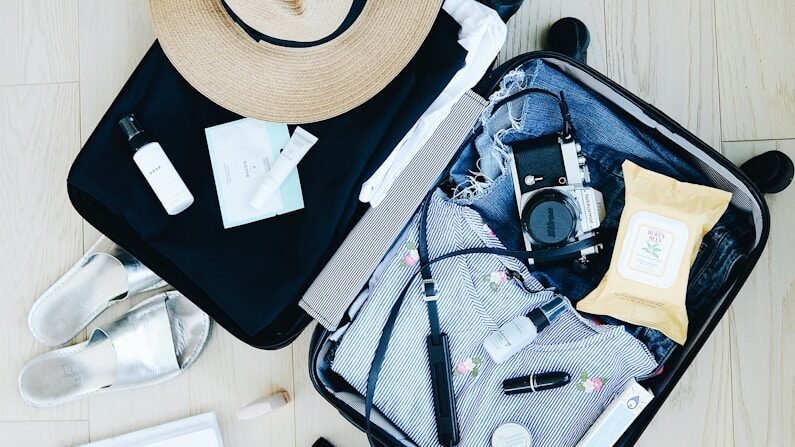
Documentation Requirements
Closed-Loop Cruises (Leave and return to same U.S. port):
- U.S. citizens can technically use birth certificate (original or certified copy) plus government-issued photo ID
- Passport still strongly recommended — if you miss the ship in a foreign port or need to fly home for a medical emergency, you’ll need one
- Check specific cruise line requirements
International Cruises:
- Valid passport required (must be valid 6 months beyond travel dates for most countries)
- Some countries require visas — research your specific itinerary
- Apply for passport 4-6 months before cruise if you don’t have one
Additional Documents:
- Boarding pass and luggage tags (available online 30 days before)
- Travel insurance information
- Credit card for onboard charges
- Shore excursion confirmations
- Medication prescriptions
90-Day Countdown
Three months before your cruise:
- Book popular shore excursions (they sell out — especially in Alaska and Mediterranean)
- Make specialty restaurant reservations
- Book spa appointments for preferred times
- Review ship’s daily activity schedule
- Arrange travel to/from cruise port
- Book hotel if arriving day before (strongly recommended for first-timers — eliminates flight-delay stress)
30-Day Countdown
One month before departure:
- Complete online check-in (usually opens 30-45 days out)
- Print boarding passes and luggage tags
- Confirm flight times if flying to port
- Arrange pet sitting or house sitting
- Put mail on hold
- Notify credit card companies of travel dates
- Download cruise line’s app to your phone
- Pay final balance if not already paid
One Week Before
Final preparation week:
- Check weather forecast for packing guidance
- Break in new shoes (avoid blisters on port days)
- Fill prescriptions if needed
- Get any needed vaccinations
- Charge all electronic devices
- Double-check travel documents
Packing for Your Cruise – Cruise Tips Beginners +
Quick Reference: Download our The Complete Travel Packing Checklist: Master the Art of Efficient Packing for a printable version.

Essential Documents
Keep in carry-on bag — these cannot wait for your checked luggage to arrive:
- Passport or birth certificate + photo ID
- Printed boarding passes
- Travel insurance documents
- Credit cards and some cash
- Prescription medications (original bottles)
- Confirmation numbers for shore excursions
- One complete change of clothes including swimsuit — your checked bags arrive 4-6 hours after you board
Clothing Essentials
Daytime Casual (for ports and ship):
- Shorts, t-shirts, tank tops (by climate)
- Sundresses or casual dresses
- Comfortable walking shoes for excursions — broken in before the cruise
- Sandals or flip-flops
- Swimwear (bring at least 2 suits)
- Cover-ups for walking through ship
- Light jacket or sweater (ship AC can be cold)
- Hat and sunglasses
Evening Wear:
- Smart casual for regular dinner nights: nice jeans or slacks with collared shirt or blouse
- Formal night attire: cocktail dress, nice dress, or suit for men (tie optional)
- Most cruises have 1-2 formal nights on week-long sailings
- First-timer reality: one formal outfit is enough — most passengers dress up moderately, not extravagantly
What the Ship Provides (Don’t Pack These)
First-timers consistently overpack because they don’t know what the ship already has:
- Hair dryer: Provided in every cabin
- Beach towels: Ship provides for pool and deck use (checked out with your cruise card)
- Shampoo and conditioner: Provided, though quality varies — bring travel-size if you prefer your own
- Iron: Not provided (fire hazard) — use ship’s laundry service if needed
Don’t Forget Items (First Time Cruiser)
Sun Protection:
- Reef-safe sunscreen (50+ SPF) — bring from home, ship store prices are significantly higher
- After-sun lotion or aloe
- Lip balm with SPF
- Wide-brimmed hat
Medications and Health:
- All prescription medications in original bottles (bring extras)
- Motion sickness remedies (Dramamine, ginger, wrist bands) — start taking the day before if concerned
- Pain relievers, antacids, anti-diarrhea medication
Technology and Accessories:
- Power strip — basic only, no surge protectors (prohibited fire hazard)
- Phone and chargers
- Camera and extra batteries/memory cards
- Waterproof phone case or dry bag for beach ports
- Portable charger/power bank for port days away from the cabin
Cruise-Specific Items Most Guides Miss:
- Reusable water bottle
- Small day bag or backpack for excursions
- Magnetic hooks (cabin walls are metal — hooks let you hang bags, lanyards, hats)
- Highlighter for marking daily activity schedule
- Lanyard for cruise card (you’ll use it constantly — keep it accessible)
- Clothespins for drying swimsuits on balcony rail
- Small flashlight or headlamp for late-night cabin returns
Prohibited Items (Will Be Confiscated)
- Irons and steamers (fire hazard)
- Surge protectors (fire hazard) — basic power strips are fine
- Candles or incense
- Hot plates or coffee makers
- Weapons of any kind
- Illegal drugs
Embarkation Day
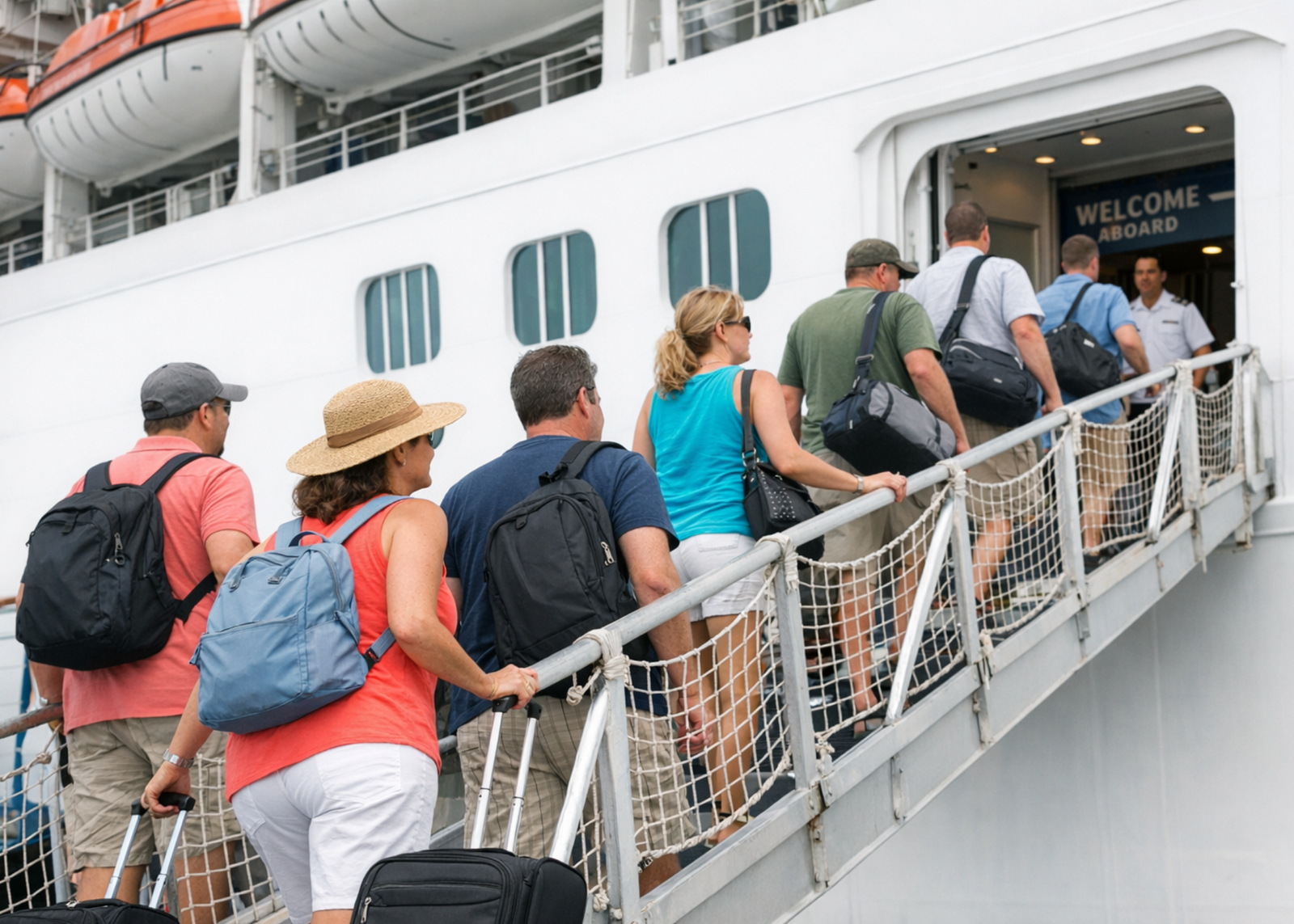
Arrival Timing
Your boarding pass will show your designated boarding time, typically grouped in 30-60 minute windows.
- Arrive Early (11am-1pm):
- Pros: Get on ship sooner, grab lunch immediately, explore before crowds, more time to settle in.
- Cons: May face longer check-in lines, cabin might not be ready yet.
- Arrive Mid-Afternoon (2-3pm):
- Pros: Shorter lines, cabin definitely ready, ship fully prepared.
- Cons: Less time to explore before safety drill, may miss lunch service.
Pro Tip for First-Timers: Fly in the day before and stay near the port. This eliminates flight delay stress entirely and allows early, relaxed boarding. Missing a cruise because of a delayed flight is an expensive and avoidable mistake.
The Boarding Process
Here’s what to expect when you arrive at the terminal:
Step 1: Porters and Luggage Drop-Off
Outside the terminal, porters will take your checked luggage (tip $2-3 per bag). Attach printed luggage tags before arriving. Your luggage will be delivered to your cabin later — usually by 3-5pm, sometimes later. This is why your carry-on needs everything for the first several hours.
Step 2: Security Screening
Like airport security, your carry-on bags go through X-ray machines. Remove laptops. Prohibited items will be confiscated here.
Step 3: Check-In
Present your boarding pass, passport/ID, and health questionnaire. They’ll take your photo for your cruise card (also your cabin key and charge card). The process takes 5-15 minutes.
Step 4: Board the Ship
Walk through the gangway onto the ship. Most ships have photographers ready to snap your embarkation photo (available for purchase later — prices are high, but it’s a genuine first-cruise memento).
Step 5: Find Your Cabin
Check your cruise card for your cabin number. Your checked luggage will arrive later. Your cabin steward will introduce themselves and explain cabin features.
First Things to Do Onboard
- Mandatory Safety Drill: Before the ship can sail, all passengers must attend the muster drill (safety demonstration). This is required by law — no exceptions. It takes 20-30 minutes. Don’t skip it.
- Explore the Ship: Before it gets crowded, walk around and orient yourself. Locate dining rooms, buffet, pools, theater, bars, and elevators. Pick up a ship map. Getting your bearings early prevents confusion and wasted time later.
- Grab Lunch: Buffet restaurants open on embarkation day. Main dining rooms typically don’t open until dinner.
- Make Reservations: If you haven’t pre-booked, head to the dining or shore excursion desks immediately. Popular specialty restaurants and shows book up within hours of boarding.
- Attend the Sail-Away Party: Most ships host a deck party as the ship departs port. Great for photos, meeting other passengers, and getting your first views as you sail away.
Life Onboard Your Cruise
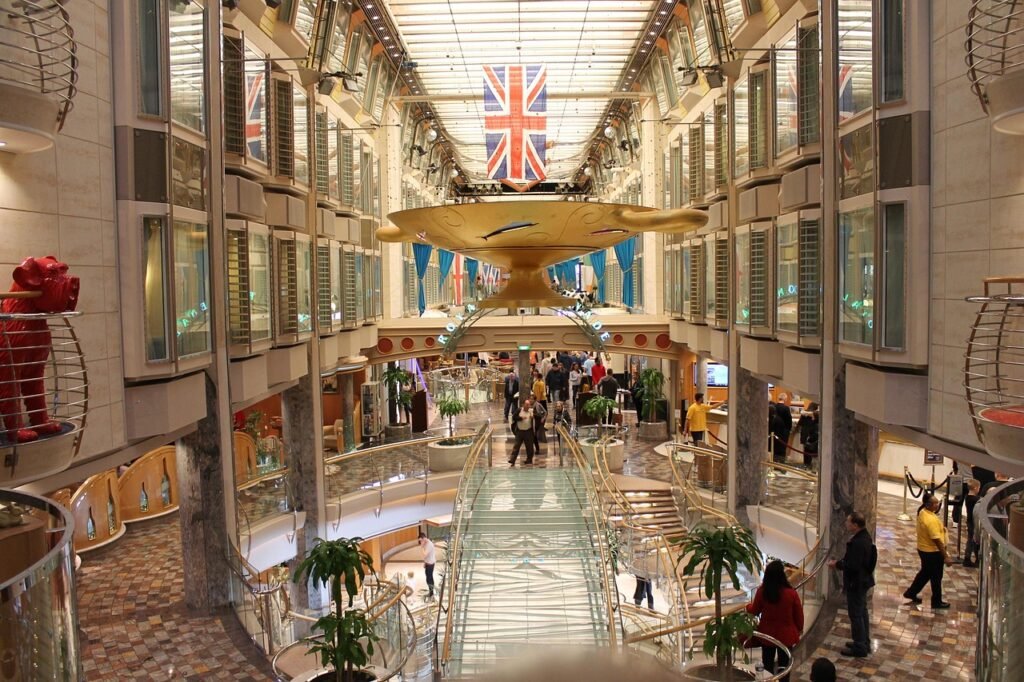
Daily Routine Flow
Morning (6am-12pm):
On port days, you’ll likely wake up already docked or arrive at the port. Grab breakfast and head ashore. On sea days, enjoy leisurely breakfast, hit the gym, or catch a morning activity. The ship is quieter before noon — best time for pool chairs.
Afternoon (12pm-5pm):
Lunch at various venues, pool time, activities (trivia, games, classes), spa visits, or relaxing with a book. Port days mean you’re exploring ashore. Sea days offer time to enjoy ship amenities.
Evening (5pm-12am):
Shower and dress for dinner. Main seating dining times typically 5:30pm and 8pm (or flexible anytime dining). After dinner, enjoy live shows, comedy clubs, dancing, bars, or casino. Evening is when the ship comes alive.
Late Night (12am-6am):
Night owls find late-night venues: pizza, buffet snacks, nightclubs, piano bars, casino. Or head to your cabin and rest for tomorrow’s adventures.
Dining Options
Main Dining Room:
Multi-course, sit-down dinner service with menus changing nightly. Two options:
- Traditional Dining: Same table, same waitstaff, same dining time every night. Great for meeting other cruisers and building relationships with your servers — many first-timers love the social aspect.
- Anytime/Flexible Dining: Show up when you want (within dining hours). More flexibility but you won’t have consistent tablemates or servers.
Buffet Venues:
Casual self-service with massive variety. Open long hours (often 6am-midnight). Perfect for quick bites, trying multiple dishes, or when you don’t want formal dining.
Specialty Restaurants (Additional Cost):
Upscale dining experiences for $25-75 per person. Options typically include Italian, steakhouse, French, Asian fusion, and chef’s table experiences. Food quality usually exceeds main dining rooms. Worth budgeting for one special dinner. Reservations required — book day one.
Casual Venues (Included):
Pizza, deli sandwiches, burgers, tacos, ice cream scattered throughout the ship. Perfect for lunch, late-night snacks, or quick bites. No reservations needed.
Room Service:
Available 24 hours on most lines. Continental breakfast is usually free. Other meals may have small delivery fees. Perfect for balcony mornings — one of the best parts of having a balcony cabin.
Entertainment and Activities
Evening Shows:
- Broadway-style production shows (dancers, singers, elaborate costumes)
- Comedy clubs (PG-13 and adult-only shows)
- Magic acts and illusion shows
- Live music in multiple venues
- Piano bars with sing-alongs
Shows typically run twice nightly (early and late seating). Popular shows require reservations — book day one.
Daytime Activities:
- Trivia contests (team up with other passengers — great for meeting people)
- Pool games and competitions
- Fitness classes (yoga, spin, Pilates)
- Wine tastings and mixology classes
- Dance lessons
- Cooking demonstrations
Onboard Amenities:
- Multiple pools and hot tubs
- Fitness center with cardio and weights
- Spa (massages, facials, salon services)
- Library and card room
- Shopping promenade
- Casino (slots and table games)
- Movie theater or outdoor movies

Understanding Your Cruise Card
Your cruise card is a multi-purpose tool that first-timers often underestimate:
- Room Key: Opens your cabin door. Don’t lose it — replacements cost money and require a trip to guest services.
- Identification: Required to get on/off ship in ports. Always carry it. Without it, you cannot reboard.
- Onboard Charge Card: All purchases charge to your card and appear on your final bill. Review your daily folio and dispute any errors immediately — errors are much easier to correct onboard than after the cruise.
- Gratuities: Automatically added daily. Final bill can be surprising if you didn’t prepay and also had numerous extras. Check the math before the last night.
Shore Excursions and Port Days
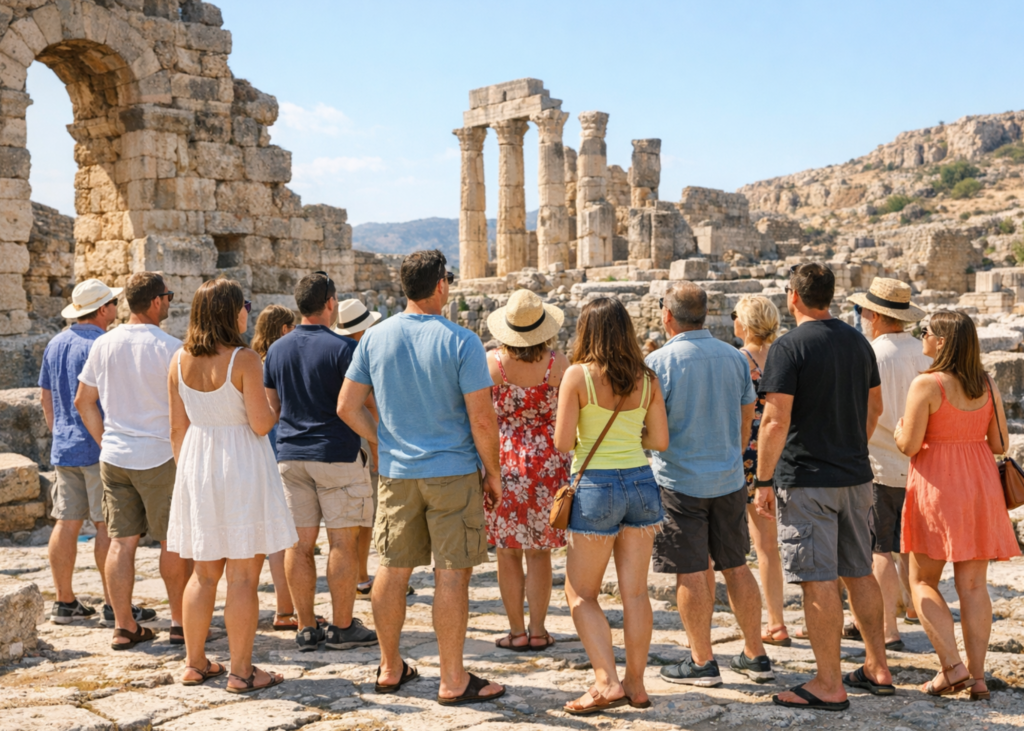
For comprehensive shore excursion planning strategies, see our Shore Excursions 101: Making the Most of Your Cruise Port Stops
Booking Through the Cruise Line vs. Independent
Cruise Line Excursions — Pros:
- Guaranteed return to ship — if the excursion runs late, the ship waits
- Customer service if issues arise
- Vetted tour operators
- Convenient booking through app or onboard
Cruise Line Excursions — Cons:
- Higher prices than independent options (often 30-50% more)
- Larger group sizes (sometimes 40+ people)
- Less flexibility in timing
- Cookie-cutter experiences
Independent Tours:
Sites like Viator, Shore Excursions Group, or local tour operators often provide better experiences at lower prices. The tradeoff: if you’re late getting back, the ship will not wait. Build in significant buffer time — experienced independent cruisers aim to be back at the ship one hour before “all aboard.”
Port Day Logistics
All Aboard Time Is Sacred:
This time is posted everywhere — your cabin TV, daily schedule, and announced repeatedly. It’s typically 30 minutes before ship departure. Miss it and you’re left behind. The ship will not wait. This is the single most important thing every first-time cruiser needs to internalize.
Tendering vs. Docking:
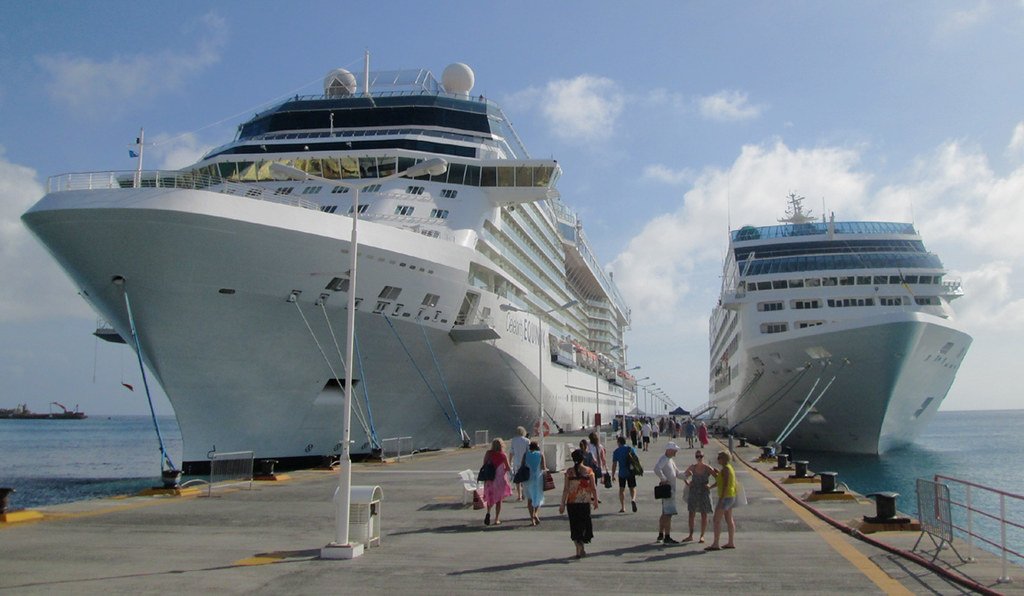
- Docking: Ship pulls up to the pier. You walk off directly. Simple and quick.
- Tendering: Port is too shallow for ship. Ship anchors offshore and small boats (tenders) ferry passengers to shore. Adds 30-60 minutes each way. Factor this into timing — last tender back to ship is earlier than all aboard time.
What to Bring Ashore:
- Cruise card (essential for re-boarding)
- Photo ID or passport copy
- Small amount of local currency or U.S. dollars
- Credit card
- Water bottle and sunscreen
- Camera/phone
- Small day bag or backpack
- Any medication you might need
Disembarkation Day
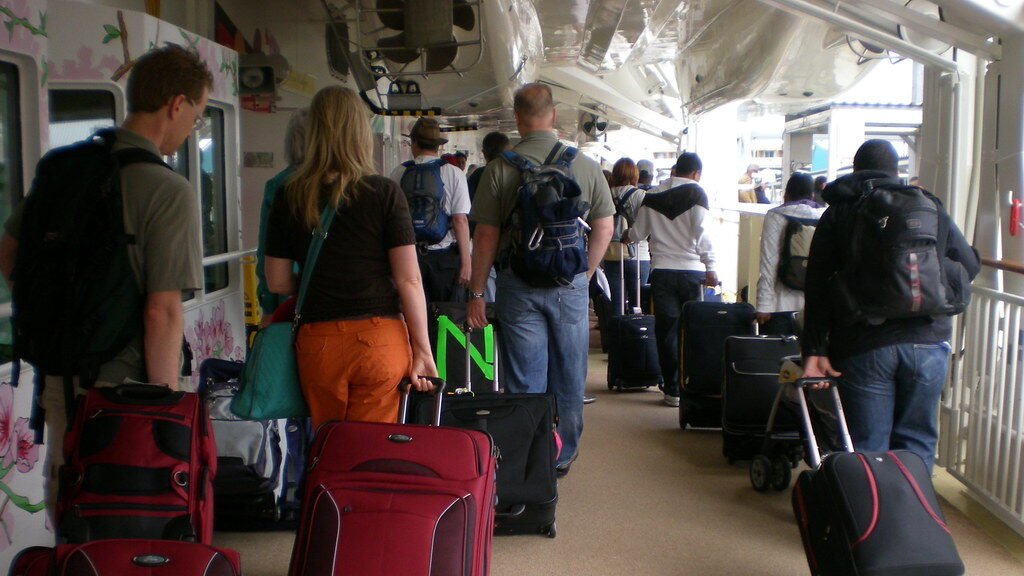
The Night Before
Pack Your Luggage:
Pack everything except morning essentials. Place luggage outside your cabin door by 10pm-midnight (specific time in your instructions). Attach luggage tags provided with your final folio. Your luggage will be taken overnight and waiting for you in the terminal.
Settle Your Onboard Account:
Your final folio is left in your cabin. Review all charges carefully — dispute any errors at guest services immediately. Your linked credit card will be charged overnight.
Set Multiple Alarms:
The ship empties early. You don’t want to oversleep on disembarkation morning.
Disembarkation Morning
Breakfast Options:
Buffet and some dining rooms serve early breakfast. Grab a quick bite before leaving.
Customs Forms:
For international cruises, complete customs declaration forms. U.S. citizens can use mobile passport app to expedite customs.
Departure Groups:
Passengers leave in groups based on luggage tag colors and special needs. Stay in public areas until your group is called.
Self-Disembark Option:
Carry your own luggage off first thing in the morning (usually 6:30-7am). Skip waiting for your group. Great if you have early flights.
Finding Your Luggage:
Walk off following signs to the terminal. Luggage is organized by tag number/color. Find your bags and head to customs (if international) or directly to exit.
Getting Home
Final Tips:
- Tip the porters helping with luggage ($2-3 per bag)
- Keep your cruise card until you’re home (sometimes needed for refunds or disputes)
- Take contact info from new friends made onboard
- Start planning your next cruise — post-cruise blues are real and the cure is booking again
Frequently Asked Questions
u003cstrongu003eDo I need a passport for a cruise?u003c/strongu003e
For closed-loop cruises (leaving and returning to same U.S. port), U.S. citizens can use birth certificate plus photo ID. However, passports are strongly recommended. If you miss the ship or have medical emergency requiring flight home from a foreign port, you’ll need a passport. Don’t risk it—get a passport.
u003cstrongu003eWhat should I do if I get seasick?u003c/strongu003e
Modern ships with stabilizers make seasickness rare, especially on Caribbean cruises in calm waters. If concerned: book midship cabin on lower deck (less motion), take Dramamine before boarding, try ginger candies or wristbands, focus on horizon, get fresh air, avoid alcohol, and eat light meals. Ship medical center can provide stronger medication if needed.
u003cstrongu003eHow much money should I bring on a cruise?u003c/strongu003e
You don’t need cash onboard—your cruise card charges everything. For ports, bring $20-40 cash per day per person for tips, small purchases, and places that don’t accept cards. Many ports accept U.S. dollars. Credit cards work in most port shops and restaurants.
u003cstrongu003eCan I bring alcohol onboard?u003c/strongu003e
Policies vary by cruise line. Most allow 1-2 bottles of wine or champagne per person in carry-on luggage. No beer or liquor allowed. Checked luggage is scanned and alcohol will be confiscated until the end of the cruise. Check your specific cruise line’s policy.
u003cstrongu003eWhat if I have dietary restrictions?u003c/strongu003e
Cruise lines accommodate dietary needs (vegetarian, vegan, gluten-free, kosher, allergies). Notify them when booking and remind dining staff onboard. Chefs can prepare special meals. Most ships offer excellent variety for common dietary restrictions.
u003cstrongu003eAre cruises safe?u003c/strongu003e
Yes, cruises are very safe. Ships have extensive safety systems, medical facilities, and security. Crime rates are low. The mandatory safety drill teaches emergency procedures. Follow basic travel safety practices (lock cabin, don’t leave valuables unattended, be aware in ports) and you’ll be fine.
u003cstrongu003eCan I use my cell phone on a cruise?u003c/strongu003e
Your phone will work in ports if you have international plan or roaming. At sea, your phone connects to ship’s cellular service (very expensive—$2-3 per minute). Best solution: Use ship’s WiFi for messaging apps like WhatsApp. Put phone in airplane mode at sea to avoid roaming charges. WiFi packages cost $15-30 per day.
u003cstrongu003eWhat’s the best cabin for first-timers?u003c/strongu003e
Balcony cabin, midship, on a middle deck. Provides best value with outdoor space, minimal motion, and convenient location. If budget is tight, inside cabin midship works well—you’ll spend most time exploring anyway. Splurge for balcony if you can afford it—you’ll use it more than you think.
Final Thoughts: Your Cruise Adventure Awaits
Armed with these first time cruise tips, you now know what the brochures leave out — and that’s exactly what makes the difference between a confusing first cruise and a seamless one. The extras cost money but they’re predictable. The ship leaves on time and won’t wait — but now you know to be back an hour early. Your checked bags take hours to arrive — but now you know to pack your carry-on accordingly.
Remember the key points:
- Choose a cruise line and itinerary that matches your personality and interests
- Balance budget and comfort when selecting your cabin — midship, middle deck for first-timers
- Budget $200-400 per couple per day beyond the base fare for real cruise costs
- Book early for best selection, or last-minute for best deals
- Get travel insurance — prepaid vacations need protection
- Pack smart — the ship provides more than you think
- The all aboard time is non-negotiable — be back an hour early
- Relax and enjoy — the crew handles the details
The ocean is calling. Your cruise adventure awaits.
Related Resources:
- Cruise Mistakes First-Timers Make: The 15 errors that ruin first cruises (and how to avoid every one)
- Shore Excursions Guide: Cruise line vs. independent tours — when each makes sense
- Cruise Costs Guide: The complete breakdown of what you’ll actually spend on a cruise
External Resources:
- CDC Travel Health (health requirements and vaccinations for cruise destinations)
- U.S. Department of State Travel Information (passport and visa requirements by destination)
- U.S. Passport Information (apply or renew your passport before your cruise)
* Affiliate Link: We may earn a commission when you book through this link, at no extra cost to you.