
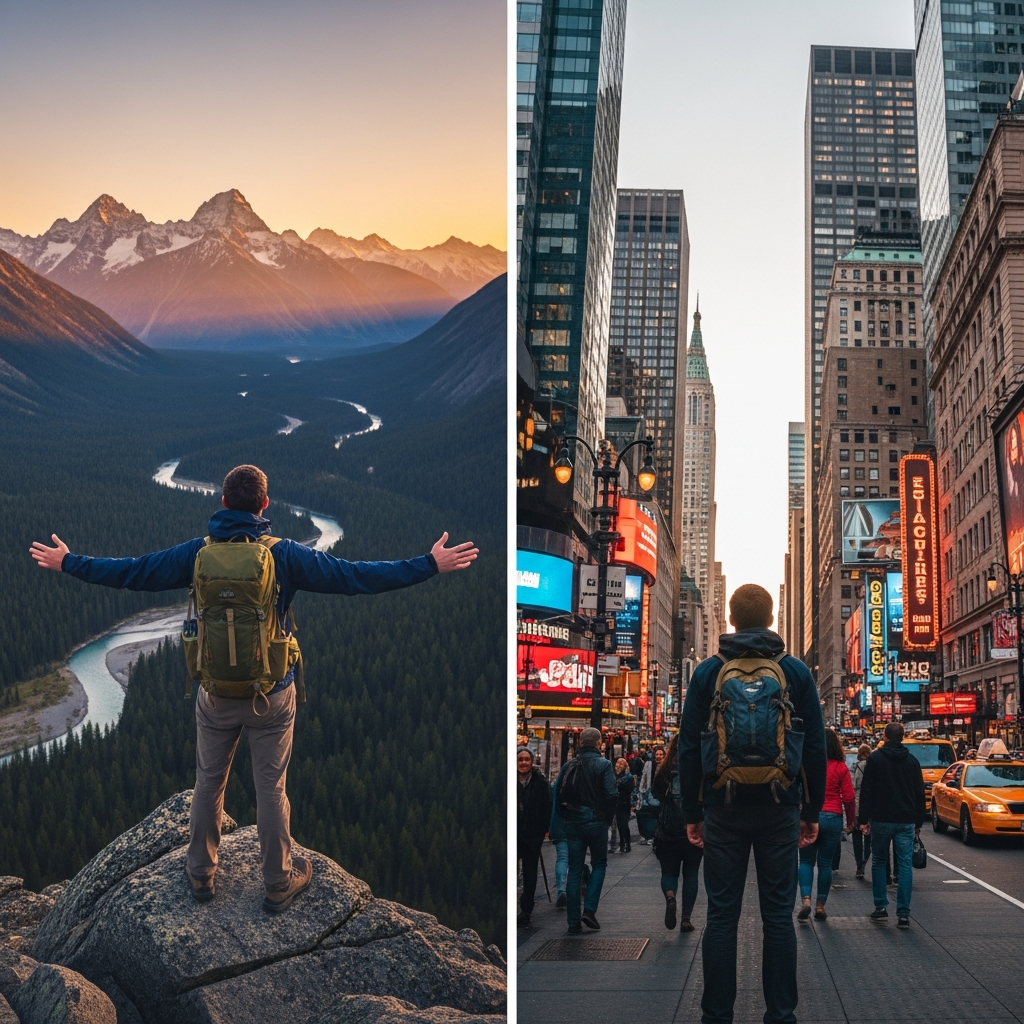
Most solo travel guides assume you’re single, between relationships, or traveling alone because you couldn’t find anyone to go with. But there’s a growing group of travelers who are none of those things — they’re in committed relationships, often happy ones, and they travel solo anyway. Because their partner hates flying. Because they want to do a trip their partner has zero interest in joining. Because they need time alone in a way that a vacation together simply can’t provide. Solo travel while in a relationship is more common than travel content acknowledges, and navigating it well — for both the person going and the person staying home — requires a completely different conversation than the standard “just book the flight” advice.
This guide is for both partners: the one planning the solo trip, and the one watching them go.
Quick Takeaways:
- Couples who travel independently sometimes report stronger relationships than those who only travel together
- Solo travel in a healthy relationship is normal and increasingly common — the stigma is outdated
- The most important conversation happens before booking, not after: why you want to go, what the other partner needs to feel okay about it
- Mismatched travel interests are one of the most common sources of low-grade relationship friction — solo trips resolve it, not create it
- The partner who stays home needs a plan too, not just reassurance
- Guilt is the biggest enemy of a good solo trip — it poisons the experience for the traveler and creates resentment for both
- Couples who travel independently sometimes report stronger relationships than those who only travel together
Table of Contents

Why One Partner Travels Solo (And Why That’s Okay)
The Real Reasons Couples Travel Separately
Travel content tends to romanticize the idea that couples do everything together — and when one partner wants to go somewhere alone, it gets treated as a relationship red flag rather than a reasonable personal choice. In practice, the reasons couples travel separately are almost always mundane:
- Mismatched interests: One partner wants to hike Patagonia for two weeks. The other would rather spend a weekend in the same hotel room. Neither is wrong. Forcing the less-interested partner to come typically produces one exhausted, resentful person and one person spending the whole trip managing that resentment.
- One partner can’t travel: Work schedules, professional obligations, caregiving responsibilities, health limitations. A partner who can’t take two weeks off shouldn’t mean the other partner never goes anywhere.
- One partner simply doesn’t like travel: This is more common than anyone admits. Some people genuinely don’t enjoy traveling — the airports, the uncertainty, the being-away-from-home. Pressuring a non-travel partner into trips they don’t enjoy helps no one.
- The need for genuine solitude: Some people need time alone in a way that a vacation with a partner — however much they love them — can’t provide. This isn’t a relationship problem. It’s a personality reality that healthy relationships accommodate.
- A bucket-list trip the other partner has already done: Travel in your 40s and 50s increasingly runs into this: one partner has been to Japan, the other hasn’t. One has done the Amalfi Coast; the other is dying to go. A solo trip is the obvious solution.
What Solo Travel in a Relationship Is Not
Before the conversation with your partner goes anywhere, it helps to name what this isn’t:
It’s not a sign the relationship is failing. It’s not running away from something. It’s not a precursor to anything. It’s not a statement about how much you enjoy your partner’s company. The fact that these clarifications feel necessary says something about how little travel culture has caught up to how modern relationships actually work.
The couples who navigate solo travel within a relationship most successfully tend to have one thing in common: they treat it as a logistics question, not a loyalty question, from the start.
Choosing Solo-Friendly Destinations
Best Trips for the Relationship Solo Traveler
The solo traveler in a relationship has slightly different priorities than the single solo traveler. The trip needs to work logistically for the partner staying home — in terms of communication, time zones, and length — not just for the traveler.
Ireland: English-speaking, friendly locals, pub culture that welcomes solo travelers, safe, excellent public transportation. Easy communication home — same language, reasonable time zones from the U.S., reliable connectivity.
Portugal: Safe, affordable, manageable size, welcoming culture. Growing solo traveler community. Easy to stay connected. A week here is a realistic trip length that doesn’t feel excessive to a partner at home.
Japan: Extremely safe, organized, fascinating for the partner who’s been curious for years but whose spouse has no interest in the 14-hour flight. Solo dining culture (ramen counters, izakayas) makes eating alone comfortable. Time zone gap is significant — plan check-in windows accordingly.
New Zealand: English-speaking, safe, adventure-focused. Ideal for the partner who wants outdoor activity that their partner would hate. The time zone works against real-time communication, so set expectations clearly.
Iceland: Very safe, small, stunning — and a destination many partners describe as “interesting but I’d rather not.” Perfect solo trip length (5-7 days), easy connectivity, unusual enough that it’s genuinely a trip for one.
Costa Rica: Eco-tourism, adventure activities, manageable time zone from the U.S. Good for the partner who wants active travel their spouse has no appetite for.
Solo-Friendly City Destinations
Copenhagen: Walkable, safe, English universal — easy to navigate alone. The kind of city a partner might genuinely not mind missing (design-forward, quiet, not the obvious tourist circuit).
Edinburgh: Compact, walkable, rich cultural scene. A long weekend here is a completely reasonable solo trip that doesn’t require extended absence.
Montreal: European feel without the overseas flight. Good for first solo trips where both partners are still testing how they feel about the arrangement. Manageable distance, same time zone, easy to get home if needed.
Austin or Nashville: Domestic solo trips are underrated as a starting point. Four days somewhere domestic removes most of the logistical complexity — no international phone plans, no dramatic time zone gap, easy to get back if something comes up at home.
What Makes a Destination Work for This Type of Solo Travel
Beyond standard solo-friendliness (safety, navigation, language), relationship solo travelers should also consider:
- Time zone: A 12-hour time difference makes daily check-ins genuinely difficult. For early solo trips, staying within 3-4 hours of home reduces friction for the partner who stays.
- Trip length: Shorter first. A 5-7 day trip is meaningfully different from a 3-week one, in terms of how both partners handle it emotionally. Start shorter, expand if it works well for both.
- Connectivity: Some destinations have spotty data or expensive international plans. Know this before you go and plan accordingly — both partners need to know how and when you’ll be in touch.
The Conversation You Have to Have First
Before You Book Anything
The most common mistake relationship solo travelers make is booking the trip first and having the conversation second. Even if your partner ultimately supports it, starting with a fait accompli puts them in the position of either objecting to something already decided or swallowing objections they haven’t processed. Neither produces a good outcome for the trip or the relationship.
The conversation to have first isn’t “I want to go to Japan in March” — it’s a few questions earlier than that:
- “How do you feel about the idea of me taking a trip alone?” This opens the topic without locking in any specifics. It gives your partner space to respond honestly before there’s a destination, a date, or a booking confirmation to react to.
- “What would make you feel okay about it?” Not “what would make you comfortable” — the word comfortable sets a bar that may never be fully met. What would make it workable? What does the partner at home actually need? Daily texts? A check-in call every other day? A clear return date? Knowing you’ll be reachable if something comes up at home?
- “What’s your actual concern?” Partners who resist solo travel by their significant other often have a specific concern that isn’t immediately obvious — and it’s rarely the stated one. “I don’t think you should go alone” sometimes means “I’ll be lonely.” Sometimes it means “I don’t feel safe not knowing where you are.” Sometimes it means “I feel like we should do this together.” Understanding the actual concern helps address it.
What the Partner Staying Home Actually Needs
The partner who stays home is rarely given much thought in solo travel content. They’re usually treated as either fully supportive or an obstacle to manage. Neither framing is useful.
- A plan of their own: The partner at home sitting in an empty house for a week while their significant other is having adventures is a recipe for resentment. Before you leave, help them identify what they’ll do — not to justify your trip, but because it genuinely matters. Friends they’ll spend time with, projects they’ve been putting off, plans that fill the time with something other than waiting.
- Clear communication expectations: Not constant contact, but agreed-upon contact. Daily text good morning. Video call every other night. One photo per day. Whatever works for both of you — but established before departure, not negotiated mid-trip when one person is disappointed and the other is trying to enjoy dinner.
- A realistic return date: Vague trip lengths (“sometime in October”) create ongoing uncertainty. Specific return dates, communicated clearly, help the partner at home orient their time.
- Acknowledgment that it’s hard: Not excessive guilt, but genuine acknowledgment. “I know this is a weird situation and I appreciate you being okay with it” goes further than assuming it’s no big deal because you’ve agreed it’s fine.
Safety for Solo Travelers
Before You Go
- Share your itinerary: Give your partner (and one other trusted person) your complete itinerary — accommodations, flight numbers, planned activities. Update it if plans change significantly.
- Register with Embassy: STEP (Smart Traveler Enrollment Program) registers U.S. citizens with the nearest embassy. Your partner can contact the embassy if they lose touch with you and can’t get through.
- Get comprehensive travel insurance: Medical coverage, evacuation, trip interruption. More important when traveling solo — you’re your own safety net, and your partner can’t easily get to you if something goes wrong.
- Copy important documents: Photograph passport, credit cards, insurance info. Email copies to yourself and your partner. If something is lost or stolen, they can help remotely.
Accommodation Safety
Read reviews specifically for solo travelers: Search “solo” and “alone” in reviews. Note safety mentions, neighborhood comments, lighting, 24-hour reception.
Choose well-lit, central locations: Check street view before booking. Isolated accommodations that seem charming in photos can feel very different when you’re alone and it’s late.
Hotels vs. Hostels vs. Airbnb:
- Hotels: 24-hour reception, security, consistency. Best for safety-conscious solo travelers, particularly on first solo trips.
- Hostels: Social atmosphere, meet other travelers. Book private rooms for privacy with social benefits. Lockers for valuables essential.
- Airbnb: Local experience. Choose Superhosts with extensive reviews. Entire apartments provide privacy; private rooms allow host interaction.
Basic room security: Check door locks on arrival. Use deadbolt when inside. Keep valuables in room safe. Ground floor rooms are easier to access — request higher floors when possible.
Daily Safety Practices
- Trust your instincts: Feeling uncomfortable about a situation, person, or place? Leave. Your intuition is worth listening to.
- Share live location: iPhone Find My Friends or Google Maps location sharing with your partner provides a real-time safety net without requiring constant active check-ins. Most relationship solo travelers find their partners appreciate this more than they expected.
- Limit alcohol when alone at night: Buzzed is fine, drunk is a genuine risk when you’re entirely your own safety net. Keep your wits about you in unfamiliar places.
- Don’t advertise solo status to strangers: “My partner is back at the hotel” works fine. No need to broadcast that you’re entirely alone in the city.
Meeting People While Solo
Where to Meet Fellow Travelers
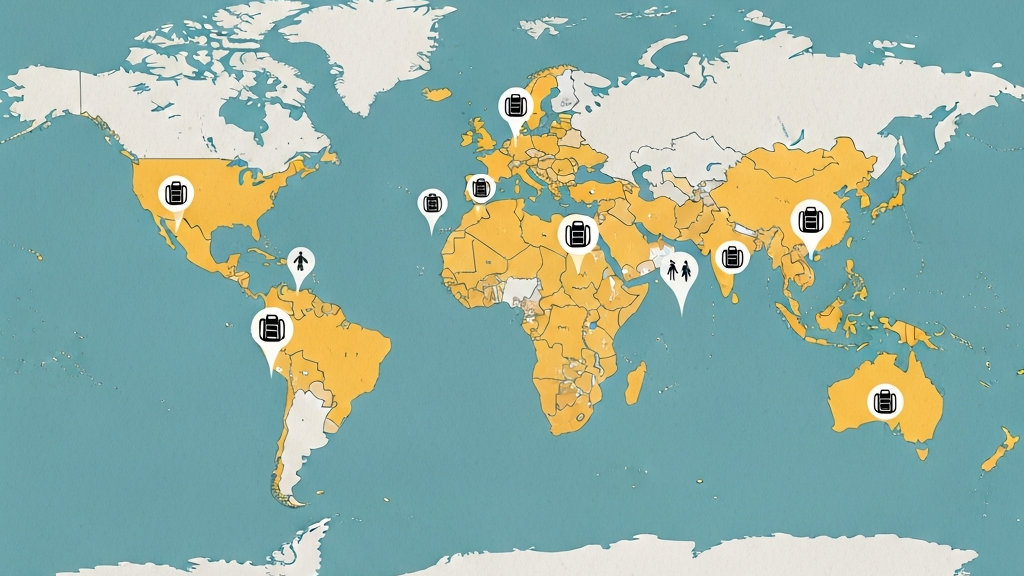
The relationship solo traveler has a social dynamic the single solo traveler doesn’t — they’re not looking for romance, just company. This is actually freeing. You can be genuinely open to meeting anyone without the filtering and agenda that comes with single solo travel.
- Walking tours: Free walking tours attract solo travelers of all kinds. Chat during the tour, grab lunch after with compatible people. Instant companionship for an afternoon with no commitment.
- Cooking classes: Hands-on activities create natural conversation. Easy to meet people when you’re all doing something together. No awkward “so where are you from” opener needed.
- Hostel common areas: Even if you’re staying in a hotel, some hostels welcome non-guests in their bars and common areas. Often the most socially active spaces in any city.
- Meetup.com events: Search destination for expat meetups, language exchanges, hobby groups. Attend events matching actual interests — far more likely to meet people you’d enjoy than a general tourist event.
- Coworking spaces: If you’re working remotely during the trip, coworking spaces mix digital nomads, expats, and traveling professionals. Professional connection without the effort of a social event.
Connecting with Locals
Chat with service staff: Bartenders, waiters, hotel staff interact with travelers daily and often provide the most useful local recommendations. Genuine interest in their perspective is usually well received.
Language exchange meetups: “Intercambio” events in most cities connect language learners. Teach English, practice local language, meet people in a structured context.
Stay in local neighborhoods: Tourist districts isolate you from actual local life. Residential areas bring you into daily rhythms — neighborhood markets, local restaurants, community events.
When You Just Want to Be Alone
The relationship solo traveler also has something the single solo traveler doesn’t always have: genuine permission to be alone. You don’t need to fill every hour with social activity to prove the trip was worthwhile. Time alone — museums, long walks, reading in cafes, eating at a bar counter with a book — is part of what you came for.
It’s okay to decline: If you’re invited somewhere and you’d rather have a quiet evening, say so. Real travelers understand. You don’t owe anyone company on your own trip.
Enjoy your own company intentionally: A solo museum morning, a beachside afternoon with headphones in, an early dinner watching the street — these are experiences, not consolation prizes.y in numbers applies everywhere.
Solo Travel Logistics
Accommodation Choices
Hotels: Privacy, comfort, safety, reliable service. Good for relationship solo travelers who want to focus on the trip without the social management that comes with hostel environments.
Hostels: Social atmosphere, budget-friendly, meet other travelers. Private rooms give you the social benefits without giving up privacy. Look for good security, social spaces, and organized events.
Airbnb: Local experience, kitchen access, home comfort. Entire apartments provide independence; private rooms allow host interaction if you want it.
Boutique Hotels: Character, unique experiences. Smaller properties mean staff remember you and provide more personalized attention — which matters more when you’re traveling alone.
The Single Supplement Problem
What it is: Hotels charge solo travelers more because a double room costs the same to operate whether one or two people stay in it. Singles pay a premium for space they don’t fully use.
Strategies to reduce it:
- Book hostels with private rooms — no supplement
- Airbnb — priced per property, not per person
- Travel during low season when hotels want to fill rooms
- Join solo traveler tours that guarantee no supplements (G Adventures, Intrepid Travel)
- Book directly with hotels — sometimes they waive it
Packing for Solo Travel
Pack lighter than you think necessary: You’re carrying everything yourself. One carry-on is genuinely ideal — you can wash clothes or replace items.
Security items worth packing:
- TSA-approved luggage locks
- Money belt or hidden pocket
- Portable door lock for accommodations
- Copies of all important documents
Essential documents:
- Passport (verify 6+ months validity)
- Photo copies of passport, credit cards, insurance
- Digital copies emailed to yourself and your partner at home
- Travel insurance documentation
- Emergency contact info — including your partner’s number in country code format
Staying Connected Without Being Constantly Connected
This is the logistics question that matters most for relationship solo travelers. The goal is a communication rhythm that both partners are genuinely comfortable with — not one partner white-knuckling it through check-in gaps, and not the traveler feeling like they’re on a monitored trip rather than a solo one.
- Establish the rhythm before you leave: Agree on frequency and format. Daily good-morning text? Every-other-day video call? One photo per day? Whatever works — but decided in advance, not in real-time when someone is already disappointed.
- WhatsApp: Free messaging and calls over WiFi. Download before travel. Most reliable for international communication.
- WiFi calling: Set up on your phone before leaving. Free calls and texts to home over any WiFi connection.
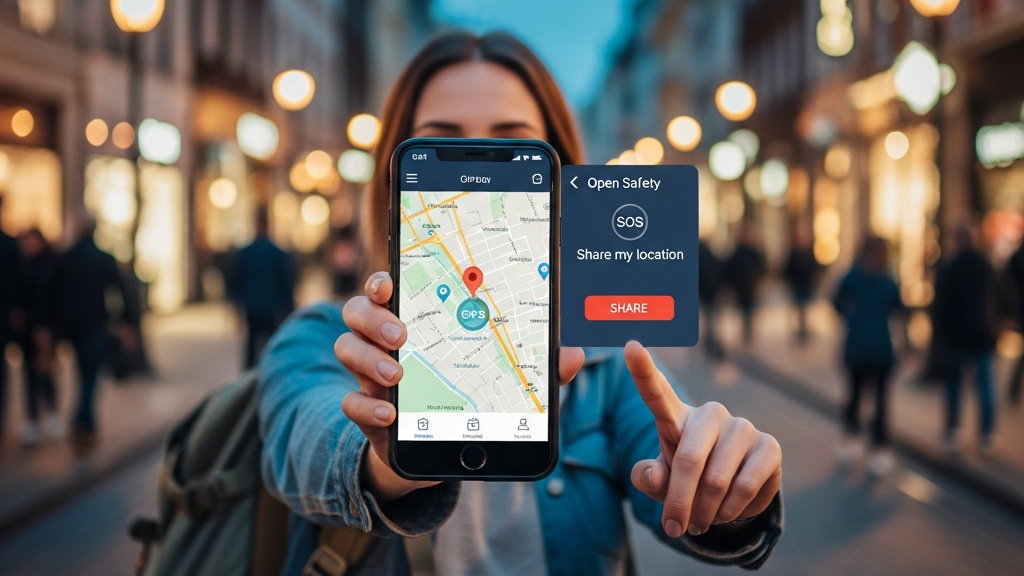
- Live location sharing: Google Maps or iPhone Find My Friends provides real-time location without requiring active check-ins. Partners at home consistently say they find this more reassuring than scheduled calls alone.
- International phone plans: Most carriers offer international plans ($10/day). Expensive but reliable for destinations where WiFi is spotty. Alternative: buy local SIM card ($10-30 with data).
Solo Dining and Entertainment
Eating Alone Confidently
The social discomfort of eating alone is almost entirely in the first meal. By the third, it feels normal. By the end of the trip, most solo travelers report preferring it — you eat at your own pace, order exactly what you want, and people-watch without distraction.
- Sit at the bar: Restaurant bars are designed for solo diners. Watch the kitchen, chat with the bartender, meet other solo diners. More social than a table, less pressure than conversation you didn’t ask for.
- Bring a book or journal: Something to occupy your hands between courses makes solo dining feel purposeful rather than awkward. You’re not alone — you’re reading.
- Counter seating: Sushi bars, ramen counters, cafe counters are designed for solo diners. No table-for-one awkwardness — just a stool, the food, and the scene in front of you.
- Lunch easier than dinner: Solo lunch is completely normalized — professionals do it constantly. If dinner alone still feels uncomfortable early in the trip, start with lunches and work toward it.
- Food markets and street food: No sitting alone required. Stand at a market stall, eat on a bench, grab and go. Some of the best meals on any trip.
Evening Entertainment Solo
Live music venues: Bars with live music welcome solo attendees without any social awkwardness. Music fills the space, reduces self-consciousness, and makes it easy to chat with people between sets.
Walking tours at sunset: Many cities offer evening walking tours. See the city in golden hour, meet other travelers, end up at a dinner spot recommendation.
Movies or theater: Perfect solo activity. Nobody talks anyway. Enjoy the performance, process it alone, reflect during the walk back.
Early dinners then back to the hotel: Nothing wrong with this. Eat at 6:30, video call your partner at 8, read until you fall asleep. Some of the best evenings on a solo trip are the quiet ones.
The Guilt Problem
Guilt is the biggest enemy of a good solo trip for the relationship traveler. It shows up in two forms — and both are destructive.
The traveler’s guilt: Enjoying yourself while your partner is at home can produce a low-grade guilt that follows you through the trip. You’re having an experience they’re not having, and part of you feels like you shouldn’t be enjoying it this much. This guilt doesn’t serve your partner — it just poisons your trip.
The staying partner’s guilt-projection: Sometimes the partner at home manages their own difficult feelings by making the traveler feel guilty — texts that emphasize how hard things are at home, comments that suggest the trip is selfish. This isn’t always conscious, but it’s worth naming if it’s happening, because it’s not sustainable across a relationship where one partner travels independently.
The solution to both is the same: handle the conversation before the trip, agree on the terms, and then let each other live within those terms. The traveler travels. The home partner makes their own plans. Neither manages the other’s experience.

Solo Travel Mindset for the Relationship Traveler
Embracing the Independence Without Apologizing for It
The relationship solo traveler often carries a subtle self-consciousness about traveling alone that the single solo traveler doesn’t — a sense that traveling without a partner requires justification. It doesn’t. You don’t owe anyone an explanation for why you’re at this restaurant alone, why your partner isn’t with you, or why you’d choose to spend vacation time apart from someone you love.
Change plans on a whim: Met interesting people heading somewhere else? Join them. Found a town you want to stay in longer? Stay. The flexibility is exactly why you’re here — use it without guilt.
Follow spontaneous opportunities: The best experiences on solo trips are consistently the unplanned ones. An invitation to a local event, a last-minute tour, an unexpected festival. Say yes more than you would at home.
What to Do If Loneliness Hits
The relationship solo traveler has an advantage here that the single solo traveler doesn’t: the loneliness has a clear solution. Call your partner. Video chat. Send photos. The connection is right there.
The caution is not to use connection as a substitute for actually being present on the trip. A 20-minute video call at the end of the day is grounding. Spending three hours on the phone because you’re anxious is probably a sign you needed more pre-trip conversation, not more mid-trip calls.
If loneliness is persistent: Go somewhere social — a hostel bar, a walking tour, a busy cafe. Being around people helps even without direct interaction. You don’t need friends; you need to not be in an empty room.
What the Trip Does for the Relationship
This is the part that surprises most couples the first time one of them travels solo: the return.
Partners who’ve been apart for a week tend to reconnect with genuine enthusiasm. The mundane rhythms of daily life reset. You have new stories. They have things that happened while you were gone. The dynamic that can go invisible in long-term relationships — why you chose this person, what makes them interesting — becomes briefly visible again through the distance.
This isn’t a guaranteed outcome, and it’s not a reason to travel solo if the relationship isn’t in good shape to begin with. But for couples who do it well, solo travel has a way of being good for the relationship rather than threatening it.
Frequently Asked Questions
Is it normal to want to travel alone while in a relationship?
Yes, and it’s more common than travel content acknowledges. Mismatched travel interests, different vacation needs, one partner’s work constraints, and the genuine human need for solo time all create situations where one partner traveling alone is the practical and healthy solution. It’s a logistics question, not a loyalty question.
How do I bring up solo travel with a partner who might not be comfortable with it?
Start earlier than you think you need to — before any booking, before any dates are set. Open with why you want to go, not where. Ask what would make them feel okay about it, not just whether they’re okay with it. Give them time to process before expecting a yes. The conversation often takes more than one sitting, and that’s appropriate for a decision that affects both of you.
How often should I check in with my partner while traveling solo?
Whatever both of you genuinely agree on before you leave — not what you think they want to hear and not a minimum you’re trying to negotiate. Most couples find a rhythm of: one daily text confirming you’re safe, one call or video chat every 1-2 days. Real-time location sharing via Google Maps or Find My Friends reduces the anxiety that drives the need for constant active check-ins.
What if my partner is supportive but I feel guilty anyway?
Guilt that persists after your partner has genuinely agreed to the trip is worth examining — it usually means either you haven’t fully accepted their permission, or there’s an unresolved concern underneath the agreement. Talk about it before you go. Carrying guilt through the trip poisons the experience without benefiting your partner at all.
How do I handle the partner at home who makes me feel guilty mid-trip?
Acknowledge their feelings without abandoning the trip. u0022I hear that it’s been hard — I’m glad we talked before I left. I love you and I’ll be home Thursday.u0022 If the behavior continues and is making the trip unpleasant, that’s a relationship conversation for when you return — not something to resolve from a different time zone. Cutting a trip short rarely resolves the underlying dynamic and can create its own resentment.
What if we try it and one of us decides we can’t do solo travel?
That’s useful information, and it’s better discovered through an actual trip than through an indefinite avoidance that builds resentment. Couples who find that solo travel doesn’t work for them often discover something specific — the trip was too long, the communication rhythm was wrong, the timing was bad. That’s workable. Deciding together that it simply isn’t for your relationship is also a valid outcome.
Final Thoughts: Your Independence and Your Relationship Can Coexist
The cultural script that says romantic partners should want to do everything together — especially travel — is a relatively recent invention and not particularly well-supported by how healthy relationships actually function. People in long-term relationships who maintain independent lives, interests, and occasionally independent travel tend to do better, not worse.
Solo travel while in a relationship isn’t a workaround or a compromise. It’s a legitimate way to honor both the relationship and the individual people in it. The key is doing it with genuine communication, clear agreements, and real attention to what both partners need — the one going and the one staying home.
Do that, and you’ll come back from the trip having had an experience worth having and a relationship still worth coming home to.
Related Resources:
- Couples Vacation Planning: When You and Your Partner Want Different Vacations
- Romantic Getaways for Couples: Planning a Trip That Brings You Closer
- International Travel for First-Timers: What Nobody Warns You About
- Budget Travel for Couples: Cut $4,000 Off Your Vacation Without Losing the Romance
External Resources:
- U.S. Smart Traveler Enrollment Program (STEP) (register with nearest embassy before solo international travel)
- CDC Travelers’ Health (health recommendations and advisories by destination)
- U.S. Department of State — Travel (safety ratings and entry requirements by country)
- https://solotravelerworld.com/travel-safety/ – Solo Traveler World’s 50+ proven safety tips
- https://www.booking.com/guides/article/flights/how-to-stay-safe-when-traveling-solo.html – Booking.com official solo travel safety guide
