
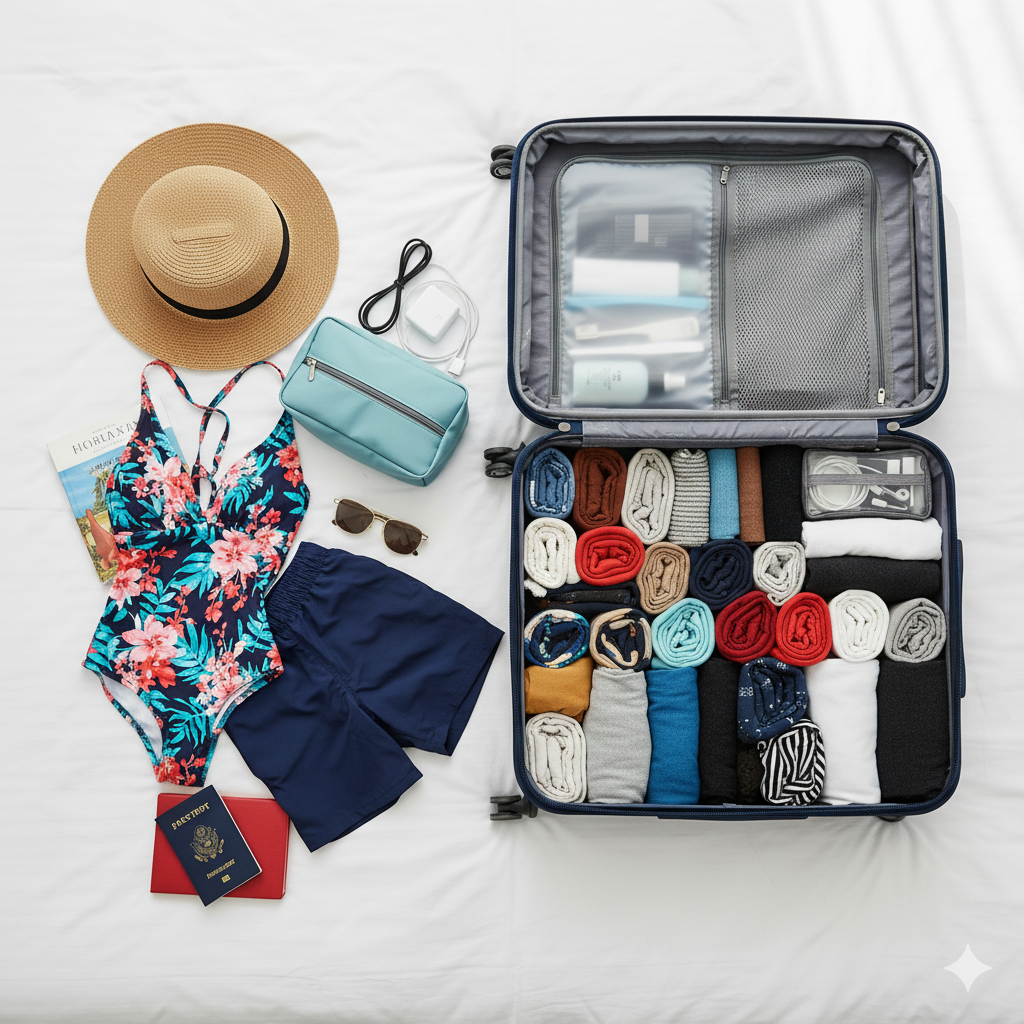
Few aspects of travel cause as much stress as packing. The anxiety of forgetting something essential, the frustration of overpacking and lugging heavy bags, the disappointment of arriving with wrinkled clothes or broken items—these experiences are universal among travelers. Yet packing is a skill that can be mastered, transforming from a dreaded chore into a streamlined process that actually enhances your travel experience.
Efficient packing goes far beyond simply fitting items into a suitcase. This travel packing checklist covers strategic thinking, understanding your needs, making smart compromises, and developing systems that work consistently across different trip types. Whether you’re planning a weekend getaway, a two-week international adventure, or a business trip, the principles of excellent packing remain consistent while adapting to your specific circumstances.
Quick Takeaways:
- Lay out everything you think you need, then remove 20-30% to avoid overpacking
- Use packing cubes for compression and organization—they’re game changers
- Pack clothing in a 1:2-3 ratio (1 bottom for every 2-3 tops)
- Limit yourself to 2-3 pairs of shoes maximum, wear bulkiest pair during travel
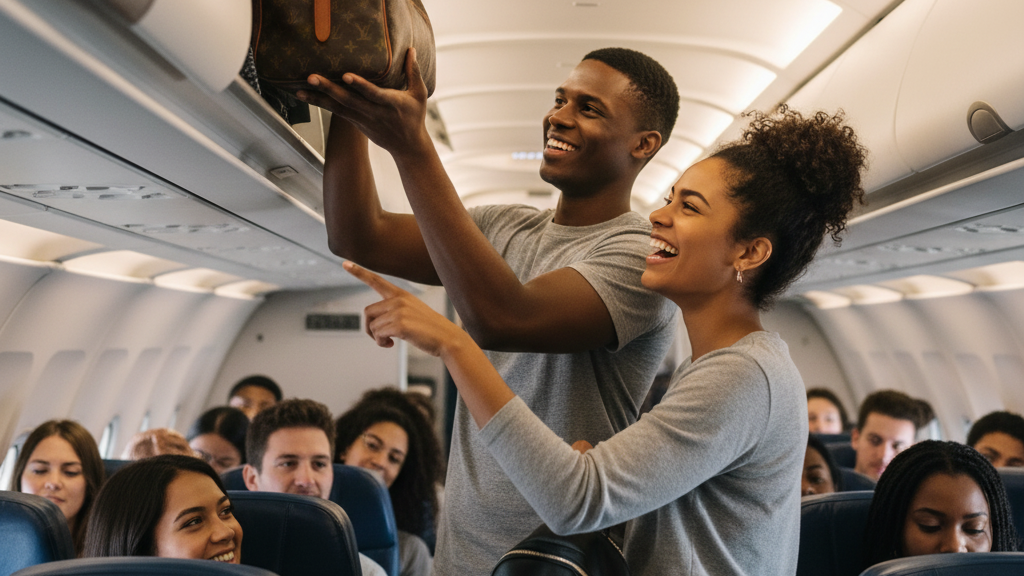
- Always pack irreplaceables (medications, documents, valuables) in carry-on
- Roll casual items, fold nice pieces, use packing cubes for compression

Choosing the Right Luggage: Your Travel Packing Guide for Success
Your luggage choice significantly impacts your packing efficiency and overall travel experience. The right bag for one trip might be completely wrong for another, so building a versatile luggage collection serves different travel needs.
Types of Luggage
Carry-On Suitcases
Carry-on sized bags (typically 22″ x 14″ x 9″ in the US) are ideal for trips up to one week for efficient packers. They eliminate checked bag fees, save time at airports, and prevent lost luggage worries. Hard-shell options protect fragile items better, while soft-sided bags offer slight expansion flexibility. Look for four spinner wheels for easy maneuverability, sturdy handles, and organized interior compartments.
Checked Luggage
For trips longer than one week, winter destinations requiring bulky clothing, or when bringing back souvenirs, checked luggage becomes necessary. Standard checked bags measure around 27-29 inches. Invest in durable options with good warranties—quality luggage withstands rough handling by baggage handlers. Hard-shell luggage protects contents better but can’t expand, while soft-sided bags offer flexibility and exterior pockets.
Travel Backpacks and Daypacks
Travel backpacks serve dual purposes: some function as main luggage for minimalist travelers or backpackers, while smaller daypacks serve as personal items on flights and daybags during trips. Look for comfortable straps, multiple compartments, water-resistant materials, and security features like lockable zippers.
Key Features to Consider
- Wheel Configuration: Four spinner wheels allow 360-degree rotation and effortless gliding. Two-wheel configurations are more stable but require tilting to pull
- Handle Quality: Telescoping handles should extend smoothly, lock at multiple heights, and feel sturdy
- Weight: Empty luggage weight matters, especially for checked bags with weight limits. Balance lightweight construction with adequate sturdiness
- Interior Organization: Compression straps keep contents secure, dividers separate clean from dirty clothes, and zippered compartments organize smaller items
- Durability and Warranty: Quality luggage represents an investment but lasts years. Research brand reputations and check warranty terms
Developing Your Packing Strategy: Think Before You Pack
Successful packing begins long before you open your suitcase. Strategic thinking prevents both overpacking and forgetting essentials.
Understanding Your Trip Requirements
Duration Considerations
Trip length influences packing, but less than you might think. The difference between packing for one week versus two weeks is smaller than between two days and one week. After about 7-10 days, you’ll likely need to do laundry regardless, so packing for longer trips simply means planning for laundry rather than bringing exponentially more clothes.
Packing Guidelines by Duration:
- Weekend trips (2-3 nights): Carry-on only, minimal clothes with maximum versatility
- One week trips: Carry-on for efficient packers, checked bag for those wanting more options
- Two+ week trips: Checked bag with planned laundry, or carry-on for minimalists willing to wash frequently
Climate Research
Research your destination’s actual weather during your travel dates, not just general climate descriptions. Check historical weather data to understand typical conditions. Consider temperature ranges (high/low), precipitation probability, humidity levels, wind conditions, and seasonal considerations.
Activity Planning
Your planned activities dictate your packing needs. Beach vacation packing differs dramatically from city exploration, hiking trips, or business travel. List your planned activities and work backwards to determine required clothing and gear.
The Capsule Wardrobe Approach
Capsule wardrobes apply fashion principles to travel packing: select items that coordinate together, creating multiple outfits from fewer pieces. This approach maximizes versatility while minimizing bulk.
Color Coordination
Choose a color palette for your trip—typically 2-3 neutral base colors (black, navy, gray, khaki, white) with 1-2 accent colors. Every item should coordinate with at least two others, allowing mix-and-match flexibility.
Layering Systems
Instead of packing separate outfits for different temperatures, pack layers that adapt to varying conditions. A base layer, mid-layer, and outer layer can handle wide temperature swings, especially useful when traveling across climate zones or for destinations with variable weather.
The Laying Out Method
Before packing anything, lay out everything you think you’ll need. This visual inventory lets you see if items coordinate, identify redundancies or gaps, reconsider “just in case” items, and estimate if everything fits your luggage. After laying everything out, remove 20-30% of items—first-time packers almost always overpack.
The “Wear It Twice” Rule
Except for underwear and socks, plan to wear everything at least twice. This alone cuts packing volume significantly. Most clothing can be worn multiple times before washing, especially outerwear, pants, and dresses. If you can’t imagine wearing something twice during your trip, leave it home.
Space-Saving Packing Techniques: Maximizing Every Inch
How you pack matters as much as what you pack. These travel packing tips and techniques maximize space while protecting your belongings.
Packing Cubes: Game Changers
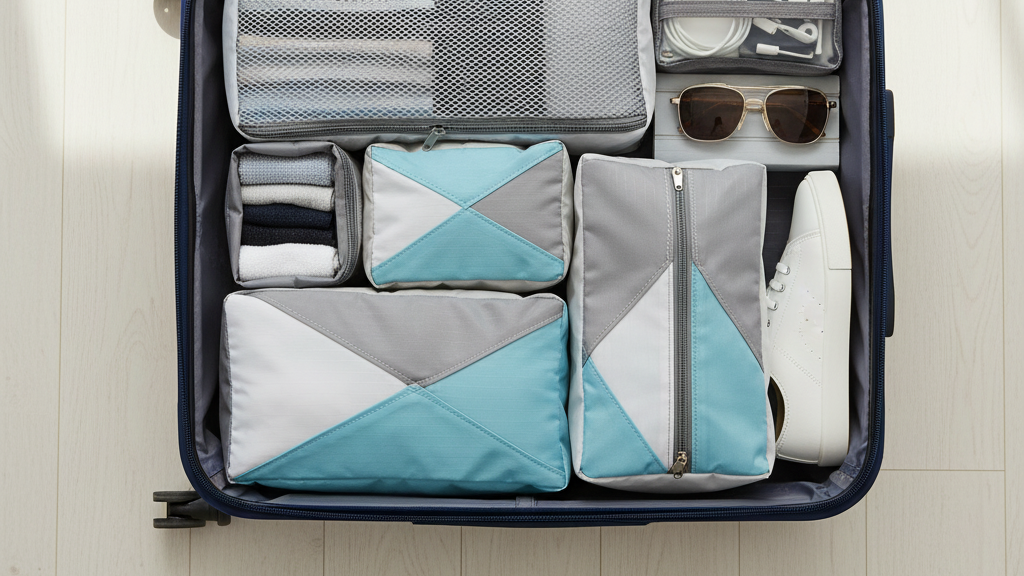
Packing cubes are fabric containers organizing and compressing clothes within your luggage. They’re not just organizers—they’re space savers and sanity preservers.
Benefits of Packing Cubes
- Compression: Quality cubes compress clothes, creating more space
- Organization: Different cubes for different categories (shirts, pants, underwear)
- Easy access: Find items without unpacking entire suitcase
- Clean/dirty separation: Use separate cubes for worn clothes
- Unpacking ease: Move cubes from luggage to drawers without full unpacking
Rolling vs. Folding vs. Bundling
Rolling Method
Rolling clothes tightly creates compact cylinders that fit efficiently in luggage while minimizing wrinkles. Best for: t-shirts, casual pants, undergarments, workout clothes. Lay garment flat, smooth wrinkles, fold in sides if needed, then roll tightly from one end. The tighter you roll, the more space you save.
Folding Method
Traditional folding works well for structured items that don’t roll well. Best for: dress shirts, blazers, formal pants. Fold along natural lines (following seams), use tissue paper between folds, and place folded items on top of rolled items in luggage.
Hybrid Approach
Most efficient packers use combinations: rolling casual items, folding nicer pieces, using packing cubes for compression, and strategically placing items. Experiment to find what works for your clothing types and travel style.
Strategic Packing Order
The order you pack items matters for space efficiency and wrinkle prevention:
- Heavy items on bottom (nearest wheels): Shoes, toiletries, books—keeps your bag balanced
- Large, wrinkle-resistant rolled items: Jeans, workout clothes, pajamas create a foundation
- Packing cubes with most clothes: The bulk of your wardrobe, compressed and organized
- Folded nice items on top: Dress clothes, items you want least wrinkled
- Soft items filling gaps: Underwear, socks, belts stuffed around edges and into corners
- Last-minute items on very top: Items you might need during transit or immediately upon arrival
Utilizing Every Space
Expert packers waste no space:
- Inside shoes: Stuff socks, underwear, chargers, or small items inside shoes
- Hood and pockets: Fill jacket hoods and pockets with small items
- Corner spaces: Roll small items (belts, chargers) to fill awkward corners
- Between and around: Fill gaps between larger items with soft, flexible pieces
Toiletries and Personal Care: Streamlining Your Routine
Toiletries can quickly consume space and weight while causing security screening hassles. Streamlining your toiletries makes packing easier and travel lighter.
The 3-1-1 Rule for Carry-On
TSA (and most international security) requires liquids in carry-on to follow 3-1-1 rule: 3 ounces (100ml) or less per container, 1 quart-sized clear plastic bag, 1 bag per passenger. This seems limiting but forces smart packing. Alternatives include checking bags or using solid alternatives that aren’t subject to liquid restrictions.
Minimizing Toiletries
Travel-Sized Containers
Invest in quality travel-sized bottles, jars, and containers. Silicone bottles are squeezable, leak-resistant, and TSA-approved. Label containers clearly to avoid confusion.
Solid Alternatives
Solid toiletries bypass liquid restrictions entirely:
- Shampoo and conditioner bars: Last longer than bottled versions, no liquid restrictions
- Solid soap: Classic and effective (use soap containers to prevent mess)
- Toothpaste tablets: Chewable tablets that foam like regular toothpaste
- Solid deodorant: Standard stick deodorant counts as solid, not liquid
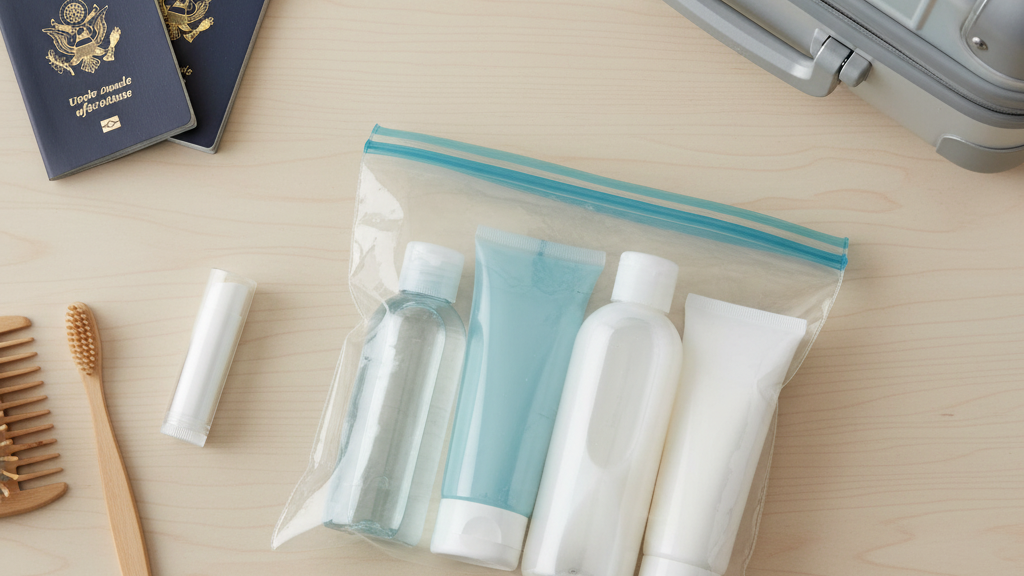
Essential Toiletries List
- Toothbrush and toothpaste
- Deodorant
- Shampoo and conditioner (or bars)
- Body wash or soap
- Face wash and moisturizer
- Sunscreen (appropriate SPF for destination)
- Razor and shaving cream/gel
- Hairbrush or comb
- Prescription medications (in original labeled containers)
- Pain relievers, allergy medication, digestive aids
- First aid supplies (bandages, antibiotic ointment)
Electronics and Tech Gear: Staying Connected and Powered
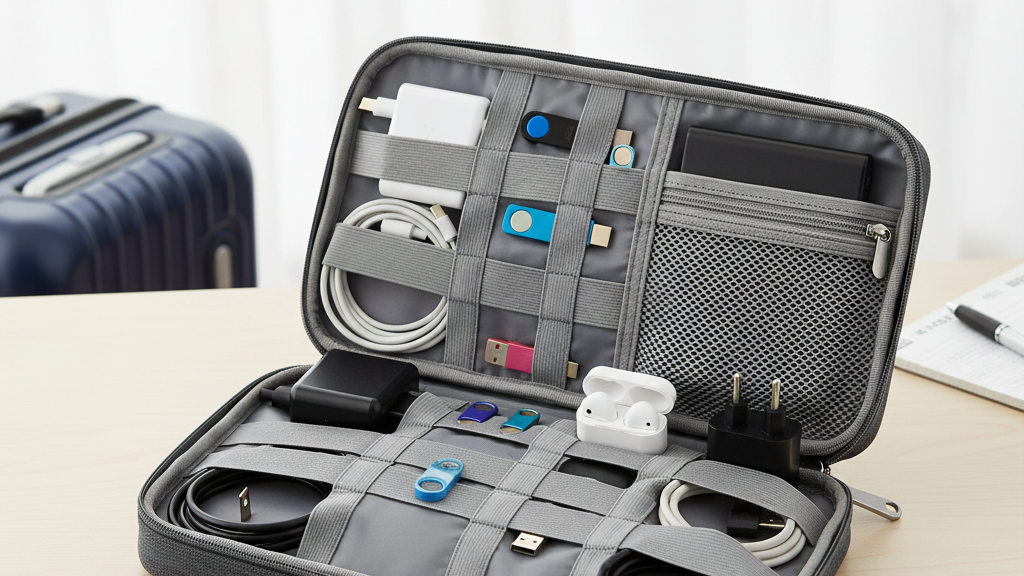
Modern travel involves numerous electronic devices, each with charging needs and accessories. Organizing tech gear prevents tangled cables and lost chargers.
Essential Electronics
- Smartphone: Most essential device—camera, map, translator, boarding pass storage, communication tool
- Chargers and Cables: Pack chargers for every device, plus one backup cable for your phone
- Power Banks: Portable battery packs keep phones and tablets charged during long travel days (10,000mAh typically charges a phone 2-3 times)
- Universal Adapters: International travel requires plug adapters matching your destination’s outlets
- Multi-Port USB Chargers: Single chargers with multiple USB ports reduce bulk and outlet requirements
- Headphones: Noise-canceling headphones transform flight experiences (bring backup wired pair)
Organization
Tech Organizer Pouches
Dedicated tech organizers with elastic loops, pockets, and compartments keep cables untangled and accessories organized. Without organizers, cables inevitably become tangled messes.
Cable Management
Use cable ties, velcro strips, or cord organizers preventing tangled cables. Wind cables properly and secure them before packing.
Travel Documents and Money: Essentials for Smooth Travel
Proper document organization prevents delays, stress, and potentially serious travel problems. These items deserve special attention and secure packing.
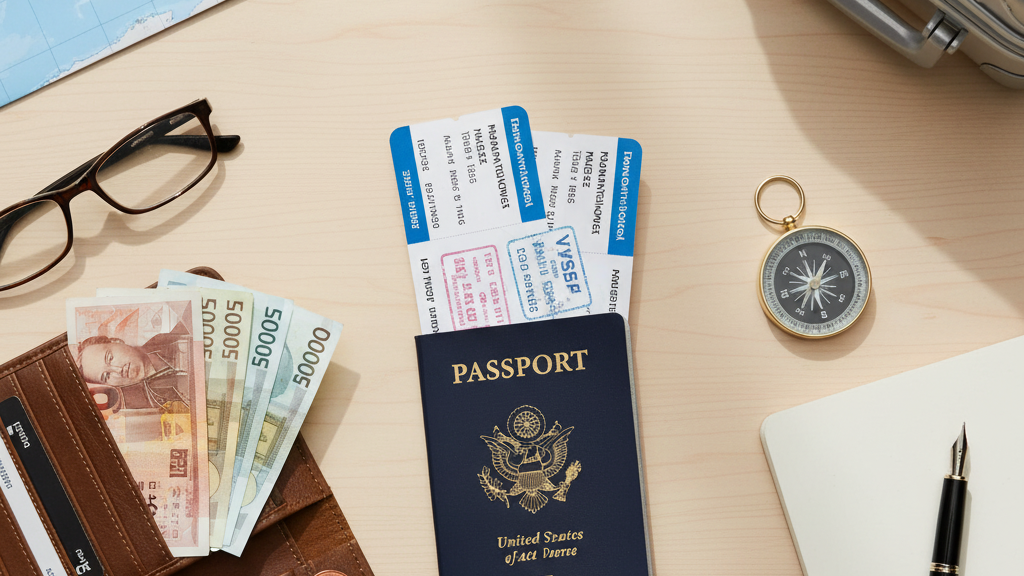
Essential Documents
- Passport: For international travel, check expiration date (many countries require 6 months validity beyond travel dates)
- Visas: Research visa requirements well in advance—some take weeks or months to obtain
- Driver’s License: Bring even if not planning to drive—serves as additional ID
- Travel Insurance Documents: Print confirmation and policy details, including emergency contact numbers
- Reservation Confirmations: Print or save digital confirmations for flights, hotels, rental cars, tours
- Medical Information: Vaccination records if required, prescription copies, medical conditions summary
Money and Payment Methods
- Credit and Debit Cards: Bring at least two different cards. Notify banks of travel plans to prevent fraud blocks
- Cash: Carry some local currency for immediate needs upon arrival ($50-100 equivalent), plus emergency cash in major currencies
- Money Organization: Split money between multiple locations (wallet, separate pocket, hotel safe)
Digital Backups
Scan or photograph all important documents: passport photo page, visa pages, driver’s license, credit card numbers and bank contact information (store very securely), travel insurance policies, prescription information. Store copies in password-protected cloud storage and email to yourself. Leave copies with trusted person at home.
Carry-On Essentials: Items You Always Want Accessible
Your carry-on bag should contain everything you need if checked luggage is lost or delayed, plus items making travel more comfortable.
Critical Items (Never Check These)
- Passport and travel documents
- Wallet with credit cards and cash
- Prescription medications (in original bottles)
- Keys (house, car)
- Electronics (phone, laptop, camera, e-reader)
- Jewelry or valuables
- One complete outfit change
- Essential toiletries (toothbrush, medications, contacts)
Comfort Items
- Neck pillow: Inflatable versions pack small but provide flight comfort
- Eye mask: Blocks light for sleeping on flights or in bright hotel rooms
- Earplugs: Reduces noise from engines, babies, or noisy neighbors
- Blanket or large scarf: Warmth on cold flights
- Compression socks: Improves circulation on long flights, reducing swelling and DVT risk
- Lip balm and moisturizer: Combats airplane dryness
Snacks and Hydration
- Empty water bottle: Fill after security to stay hydrated without buying overpriced airport water
- Snacks: Protein bars, nuts, dried fruit, crackers—airplane food is unreliable
- Gum or mints: Freshens breath and helps with ear pressure during takeoff/landing
Destination-Specific Packing: Adapting to Different Locations
While core packing principles remain consistent, specific destinations require special considerations.
Beach Destinations
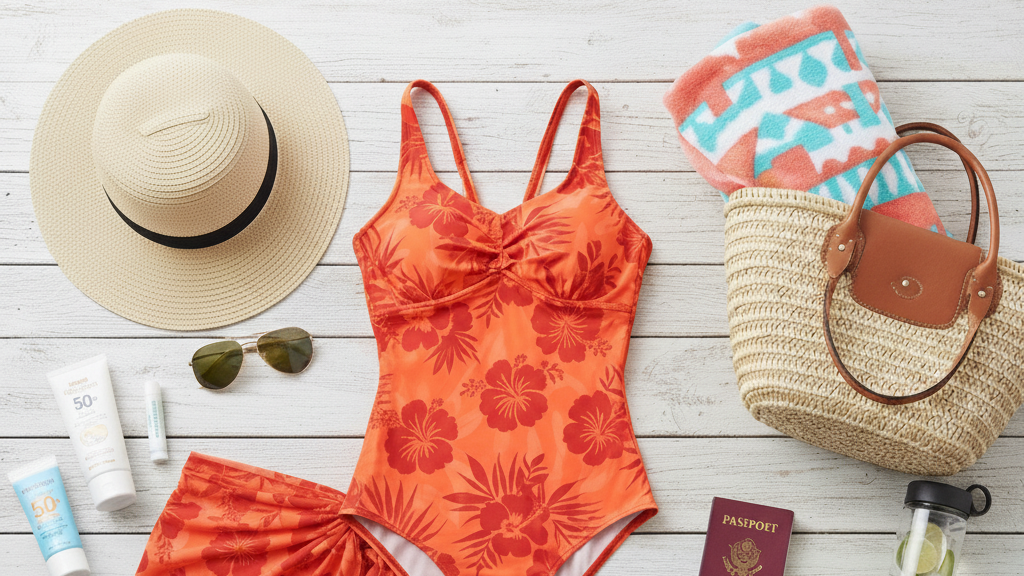
Additional Items Needed
- Swimwear (2+ suits for beach-focused trips)
- Beach cover-ups and waterproof bag
- High SPF sunscreen (reef-safe if snorkeling)
- After-sun care (aloe vera)
- Wide-brimmed sun hat and UV-protection sunglasses
- Sandals and water shoes
- Waterproof phone case
Packing Strategy
Pack lightweight, quick-dry fabrics. Bring breathable clothes, minimal makeup, and embrace beach waves. Pack wet bag for damp swimsuits and towels.
City Destinations
Additional Items Needed
- Comfortable walking shoes (broken in)
- Dressier outfit for nice restaurants or shows
- Crossbody bag or backpack for day exploring
- Portable phone charger (heavy phone use for navigation, photos)
- Rain jacket or compact umbrella
- Layers for varying indoor/outdoor temperatures
Packing Strategy
Prioritize versatile clothing working from day exploration to evening dining. Stick to neutral colors allowing mix-and-match. Plan to walk extensively—comfortable shoes are non-negotiable.
Cold Weather Destinations
Additional Items Needed
- Insulated winter jacket (wear while traveling to save space)
- Thermal base layers (top and bottom)
- Warm mid-layers (fleece, sweaters)
- Winter hat, gloves, scarf
- Warm socks (wool or technical fabric)
- Waterproof winter boots
- Hand and foot warmers (disposable heat packs)
Packing Strategy
Layers, layers, layers. Wear bulkiest items during travel. Choose dark colors hiding dirt from slushy streets. Pack fewer items since you’ll wear them multiple times—cold weather clothes can’t be easily washed and dried overnight.
Common Packing Mistakes to Avoid: Learning from Others’ Errors
Even experienced travelers make packing mistakes. Learning from common errors prevents frustration and improves your packing.
Overpacking
The most universal mistake. People pack for every possible scenario, resulting in heavy bags with unworn clothes. Solution: Lay out everything, then remove 20-30%. Use the “wear it twice” rule. Remember that most items can be purchased at destinations if desperately needed.
Packing Without Weather Research
Arriving at beach destination during rainy season, or mountain location during unexpected cold snap ruins plans. Solution: Research actual weather (historical data, not just forecasts) for your destination during your travel dates.
Bringing Only New, Untested Items
Breaking in new shoes during vacation causes blisters. New bags might have defects discovered mid-trip. Solution: Test new items before trips. Break in shoes wearing them extensively at home.
Packing Valuables in Checked Luggage
Lost luggage happens. Valuables, medications, or important items packed in checked bags can create serious problems. Solution: Always pack irreplaceable items, medications, jewelry, electronics, and one change of clothes in carry-on.
Not Checking Airline Baggage Policies
Different airlines have different size and weight restrictions for carry-on and checked bags. Unexpected fees or having to check bags ruins careful carry-on-only plans. Solution: Check your specific airline’s current baggage policy before packing. Measure and weigh your luggage before leaving for airport.
Packing Too Many Shoes
Shoes are heavy and bulky. Packing five pairs for one-week trip is excessive. Solution: Limit to 2-3 versatile pairs maximum. Wear bulkiest shoes during travel. Choose shoes working for multiple purposes.
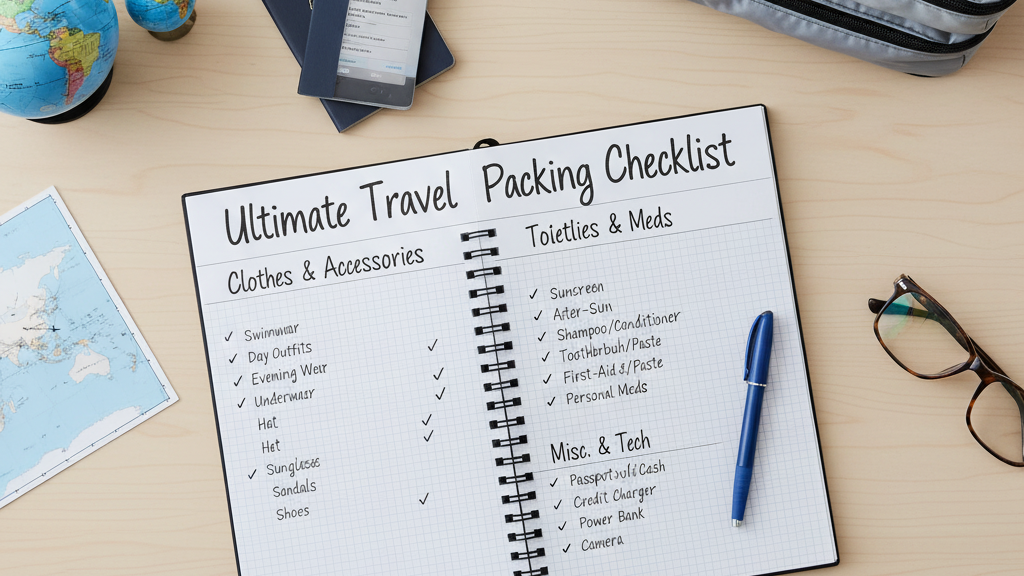
Master Travel Packing Checklist: Never Forget Essentials
Comprehensive checklists ensure you pack everything needed without forgetting essentials. Customize these based on your specific trip.
Universal Packing Checklist
Clothing
- ☐ Underwear and socks (one per day plus 2 extras)
- ☐ Shirts/tops (3-5 depending on trip length)
- ☐ Pants/shorts/skirts (2-3 bottoms)
- ☐ Sweater or fleece (layering piece)
- ☐ Weather-appropriate jacket
- ☐ Pajamas/sleepwear
- ☐ One nicer outfit (if needed)
Footwear
- ☐ Primary walking shoes
- ☐ Secondary/casual shoes
- ☐ Dressy shoes (if needed)
Toiletries
- ☐ Toothbrush and toothpaste
- ☐ Deodorant
- ☐ Shampoo and conditioner
- ☐ Body wash/soap
- ☐ Sunscreen
- ☐ Razor and shaving cream
- ☐ Medications
- ☐ First aid kit
Electronics
- ☐ Smartphone and charger
- ☐ Power bank
- ☐ Headphones
- ☐ Travel adapter/converter
- ☐ Charging cables
Documents
- ☐ Passport
- ☐ Driver’s license
- ☐ Travel insurance documents
- ☐ Flight confirmations
- ☐ Hotel confirmations
- ☐ Credit cards and cash
Miscellaneous
- ☐ Reusable water bottle
- ☐ Snacks
- ☐ Travel pillow
- ☐ Eye mask and earplugs
- ☐ Ziplock bags (various sizes)
- ☐ Laundry bag
Conclusion: Your Journey to Packing Mastery
Mastering travel packing tips and techniques is truly a skill developed over time through experience, experimentation, and learning from mistakes. This comprehensive guide has provided you with strategies, techniques, and checklists to transform packing from stressful chore into streamlined process, but your perfect system will evolve as you travel more and discover what works for your unique style.
Remember that efficient packing isn’t about following rigid rules—it’s about understanding principles and adapting them to your circumstances. A minimalist backpacker’s packing strategy differs dramatically from a luxury traveler’s approach, and both can be equally effective for their respective travel styles. The key is intentionality: making conscious choices about every item you pack, understanding why you’re bringing it, and being honest about whether you’ll actually use it.
Key Takeaways:
- Plan strategically before opening your luggage—understand your destination, climate, activities, and trip duration
- Invest in quality luggage and packing tools—packing cubes, good bags, and organization systems make everything easier
- Pack versatile, coordinating items—capsule wardrobes maximize outfit options while minimizing space
- Use proven packing techniques—rolling, strategic placement, and space utilization methods work
- Create and maintain checklists—they prevent forgotten essentials and streamline future packing
- Adapt to your specific trip—destination and trip type should drive your packing decisions
- Prioritize carry-on essentials—always pack irreplaceables and day-one necessities in carry-on
- Stay organized throughout your trip—maintain systems during travel, making packing for return easier
- Learn from experience—note what you didn’t use and what you wished you had for next time
After each trip, take a few minutes to reflect on your packing. What did you never wear or use? What did you wish you’d brought? Were there items you used constantly? Did your luggage work well, or did you struggle with it? These reflections inform future packing decisions, gradually refining your personal system.
Ultimately, mastering packing creates freedom. Freedom from excess baggage fees, from lugging heavy bags through airports and streets, from anxiety about lost luggage containing everything you need, from decision fatigue when getting dressed, and most importantly, freedom to focus on what travel is really about: experiences, connections, and memories.
When you pack efficiently, you travel lighter—both literally and mentally. You move through airports confidently, settle into accommodations quickly, and navigate your destination with ease. So as you prepare for your next adventure, approach packing not as a chore to rush through, but as the first step of your journey. Take time to pack thoughtfully, trust the systems you’ve learned, and enjoy the confidence that comes from knowing you have everything you need and nothing you don’t.
Safe travels, and may your bags always be perfectly packed!
Frequently Asked Questions About Travel Packing
How do I avoid overpacking?
Lay out everything you think you need, then remove 20-30%. Follow the “wear it twice” rule—if you can’t imagine wearing something twice during your trip, leave it home. Choose versatile pieces that coordinate together, creating multiple outfits from fewer items.
What’s the best way to pack clothes to minimize wrinkles?
Use a hybrid approach: roll casual items like t-shirts and jeans, fold nicer pieces like dress shirts and blazers, and use packing cubes for compression. Place folded items on top of rolled items in your luggage. Pack wrinkle-resistant fabrics when possible.
Should I use packing cubes?
Yes! Packing cubes are game-changers for travel organization. They compress clothes to save space, keep items organized by category, make finding items easy without unpacking everything, and separate clean from dirty clothes. The investment pays off immediately.
How many shoes should I pack?
Limit yourself to 2-3 pairs maximum: primary walking shoes (wear during travel), secondary shoes (sandals or lighter alternatives), and dressy option if needed for your itinerary. Wear your bulkiest shoes during travel to save luggage space.
What should always go in carry-on vs. checked luggage?
Always in carry-on: passport and documents, medications, valuables, electronics, one change of clothes, and essential toiletries (following TSA 3-1-1 rule). Checked luggage can contain: bulk of clothing, full-sized toiletries, shoes (except those you’re wearing), and non-essential items.
How far in advance should I start packing?
Start a packing list 1-2 weeks before departure, adding items as you think of them. Begin actual packing 2-3 days before for international trips, 1 day before for domestic trips. This timeline prevents both rushing and obsessive repacking while allowing time to acquire forgotten items.
Related Resources:
- Romantic Getaways Couples Travel Guide: Planning the perfect trip with efficient packing tips
- All-Inclusive Resorts Guide: What to pack for all-inclusive resort vacations
- Budget Travel Tips: Money-saving packing strategies for budget-conscious travelers
External Resources:
- TSA: What Can I Bring? (official TSA guidelines for carry-on and checked baggage)
- CDC Travel Health Kit (health and safety packing recommendations)
- U.S. Department of State Travel Information (international travel requirements and documentation)
